






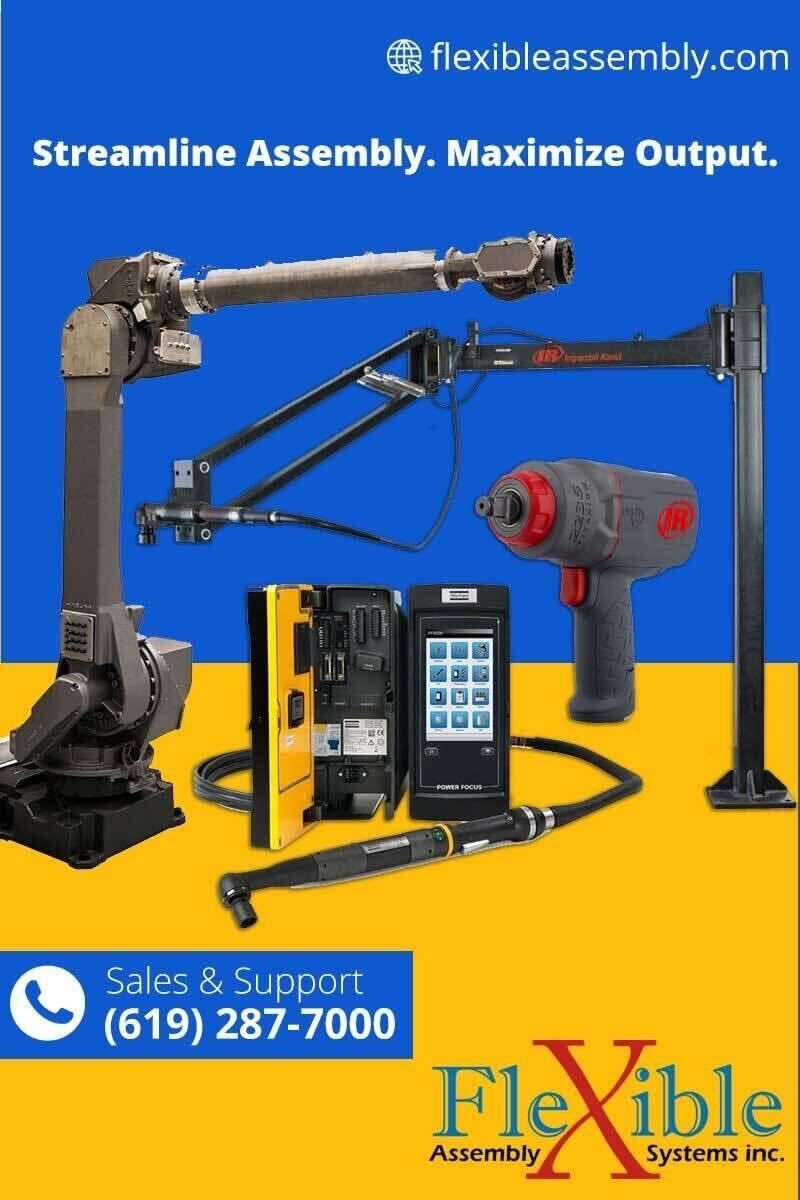
Precision in fastener force ranks among top goals for any production line. You know that a bolt too tight may tear threads. A bolt too loose may fall out under stress. Torque Testers and Torque Screwdrivers help you hit the sweet spot for every joint. They bring control to each turn, and they let your line maintain a high quality bar.
The Role of Torque in Assembly
When you place a fastener, you aim for a target force. That force prevents leaks, stops parts from rattle, and keeps wear at bay. Without a clear measure of twist force, you risk damage or failure.
Why torque matters?
- Safety: A joint that fails under load can lead to accidents.
- Reliability: An engine block, a pump housing, a medical device—each part must stay put.
- Warranty cost: A loose clamp may lead to recalls and repair work.
You need a tool that lets you reproduce target force with repeatability.
Torque Testers
A torque tester makes torque control real. You mount your tool on the tester. You pull its trigger or press its head. You see a readout. No guesswork.
Types of torque testers
- Bench models with digital display.
- Handheld gauges that pair with power tools.
- Servo-driven rigs for automatic tool calibration.
Each form suits a shop size or workflow. A small repair bench may host a handheld tester. A high-volume line may use multiple bench stations.
Key benefits
- Quick tool check within seconds.
- Data output for records and audits.
- Alerts when a driver drifts from spec.
For example, an automotive parts maker saved hours by spot-checking each driver before shift start. When a tool fell 5 percent below target, staff replaced its clutch module and kept production on track.
Torque Screwdrivers
A Torque Screwdriver puts target force at your fingertips. You set a value. You apply torque. The tool clicks, stops, or signals. You move to the next fastener.
Manual versus electronic
Manual torque screwdrivers use a clutch mechanism. When torque peaks, the drive slips. You feel or hear a click. Electronic models cut power or flash a light. They offer:
- Memory of target values.
- Multi-step torque sequences.
- Data output for network upload.
You choose based on batch size, part complexity, and traceability needs.
Calibration and performance
Calibration keeps your torque driver true to spec. Without it, set value drifts. You lose repeatability and traceability. A routine check on a Torque Tester every week or every shift proves tool health.
Next, you record results. You spot trends. You swap tools before the first failure. That step cuts scrap cost and rework time.
Best Practices for Torque Control
A solid torque program contains four steps:
- Tool selection: Pick drivers and testers that match part specs.
- Calibration schedule: Define check intervals. Shift start or weekly.
- Record keeping: Log date, tool ID, result. Archive for audit.
- Staff training: Show techs how to set, use, and check each tool.
Next, refine calibration bands. A narrow band means tight control. A wider band speeds checks but may let drift pass. Find your balance.
Why Choose Flexible Assembly Systems?
You need a partner that knows torque. Flexible Assembly Systems provides tool kits that combine drivers, testers, and software. You gain:
- A full solution from one source.
- On-site setup and coach sessions.
- Cloud storage of torque records.
- Fast support when you need parts or service.
With that setup, you meet traceability mandates. You trim scrap. You keep shifts moving.
Integration Tips for Your Shop
Bringing new tools into play calls for a plan. Follow these guidelines:
- Map out your production flow. Spot where torque check fits best.
- Label each tool with ID and calibration date.
- Train techs in a short hands-on session. Show a pre-shift check in real time.
- Use color codes on driver heads for quick torque value recall.
- Review data monthly. Pinpoint tools with frequent drift for repair or replace.
Such steps keep your line tight, smooth, and reliable.
Common Pitfalls and How to Avoid Them
Even with top tools, errors may slip in. You can sidestep them.
- Neglecting check intervals leads to drift. Set reminders.
- Loose tool mounts on testers skew results. Lock each adapter.
- Ignoring data trends hides a creeping fault. Review results in an easy dashboard view.
- Incomplete staff buy-in means skipped steps. Reward techs for full compliance.
Stay ahead of issues. Catch small faults before they grow.
Tools and Accessories to Enhance Accuracy
Beyond drivers and testers, you may add:
- Calibration stands with quick clamp fixture.
- Torque transducers that feed data to SPC software.
- Custom bits for odd fastener heads.
- Protective cases to cut shock and dust exposure.
Each extra part may add less than one percent in accuracy margin. Yet that margin often separates good from great.
Final Thoughts
Precision comes from measured force. You take control when you fit Torque Testers and Torque Screwdrivers into your workflow. You gain data, you cut scrap, and you boost consistency.
Flexible Assembly Systems stands by your side. You get tools, process, and support. Your next audit looks smooth, your pumps hold tight, and your work crews breath easy. Start today and turn every joint into a reliable link in your production chain.