





When families go shopping for a vehicle today, the pressure is real. Prices for brand-new SUVs continue to climb, and even late-model used cars often cost more than many people expect. That’s why more and more families are taking a second look at older models—particularly SUVs from around 2008. And to many people’s surprise, this year range often offers a perfect balance of value, practicality, and long-term durability.
If you’ve ever wondered why so many budget-minded families end up shortlisting older SUVs during their search, you’ll find that the reasons go well beyond price. These cars have history, reliability, and a proven track record that newer vehicles are still trying to earn.
1. The Sweet Spot: Affordability Meets Practicality
For most families, the number-one reason to consider a 2008-model SUV is affordability. You’re getting a vehicle that still checks all the boxes—roomy interior, solid engine performance, and strong safety fundamentals—without the price tag of something new or near-new.
Think about the difference in cost: a current-year SUV can easily feel like taking on a second mortgage, especially with interest rates rising. But a well-maintained 2008 model can cost as little as a few monthly payments of a new one, and in many cases, the maintenance costs stay manageable because parts are widely available and mechanics know these models inside and out.
A good comparison is the technology industry. Just like how many people continue to buy slightly older laptops because they still run perfectly for everyday use, older SUVs often deliver everything the average family needs without the hefty price of the latest tech upgrades. Families get the value without unnecessary extras they wouldn’t use anyway.
And because these SUVs were built during a time when automotive engineering focused heavily on long-term durability, many models from that era are still going strong with hundreds of thousands of miles left in them.
2. Built During a Time of Solid, Long-Lasting Engineering
One of the reasons 2008 SUVs have aged so well is that they came from a generation known for dependable engines and strong mechanical design. While today’s cars lean heavily toward electronics, touchscreens, and advanced driver-assist features, many models from 2008 were more straightforward. Fewer electronic complexities often mean fewer expensive issues later on.
If you’ve ever worked with older industrial machines or tools in a workshop, you know how sometimes the simplest designs are the longest lasting. The same applies to many 2008 SUVs. Their mechanical components were built to perform and endure, rather than to impress with extra tech that may become costly to repair down the line.
Families who choose these models often highlight how they feel “solid,” “reliable,” and “predictable” — three qualities that matter a lot when you’re planning school drop-offs, weekend getaways, and grocery runs.
On top of that, crash-safety technology was already well-developed by 2008, and many SUVs from that era were built around strong frames and advanced passive safety systems, making them reassuring choices for families.
For readers who like digging deeper into automotive evolution, the history of the sport utility vehicle is a nice example of how design philosophies shift over time, and it shows why older models can still make practical sense for today’s drivers.
3. Plenty of Space for Families — Without the Extra Cost
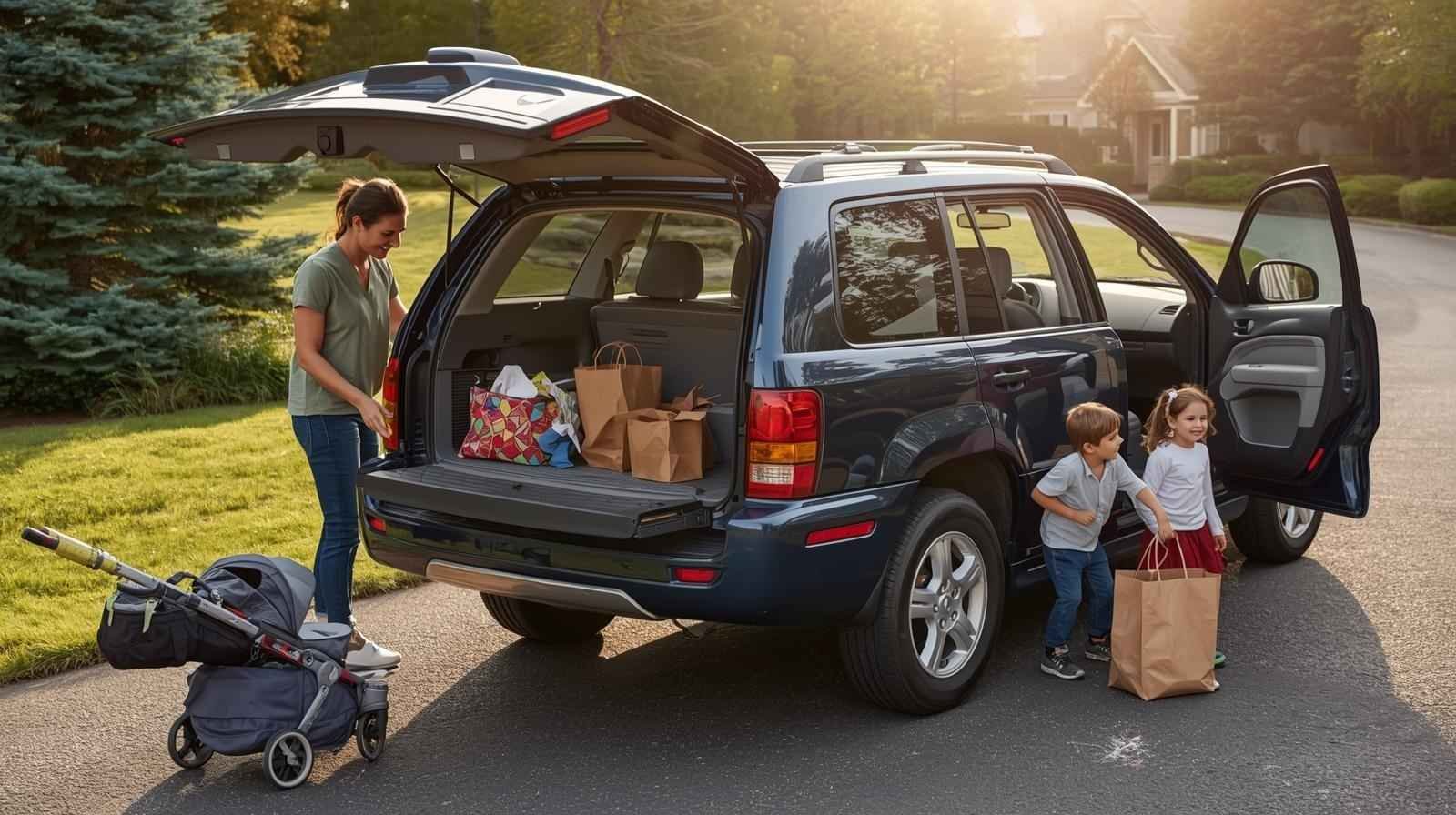
Family life comes with a simple rule: the car must fit everything. Kids, strollers, bags, groceries, sports equipment, pets—sometimes all at once. Many 2008 SUVs were engineered with generous cabin designs, often offering third-row seating, versatile cargo space, and wide-opening doors.
What’s interesting is that many newer SUVs have actually gotten smaller or more compact as manufacturers try to meet fuel-efficiency standards. Meanwhile, older models often offer the kind of interior volume that makes road trips, carpools, and last-minute errands much easier.
Imagine this: It’s a weekend, and you’re preparing for a family picnic. You need to load up food, folding chairs, a cooler, and maybe even a couple of bikes. Older SUVs tend to swallow all that without hesitation—something not every modern compact SUV can claim.
This is the kind of practicality that families notice right away and appreciate for years.
4. Lower Insurance Costs and Better Value Over Time
One hidden advantage of driving an older SUV is insurance savings. Insurance companies often calculate premiums based on a car’s market value and repair costs. Since a 2008-model SUV is valued lower than a newer one, insurance can be noticeably cheaper.
That’s extra money in your pocket every single month—money that families can redirect toward groceries, school expenses, home repairs, or even savings goals.
And while depreciation is common to every car, older SUVs have already experienced the steepest drop in value. This means they often hold steady in price afterward, especially well-kept models with strong reliability reputations.
This stability can make them a wise financial choice compared to newer vehicles that lose value quickly.
5. Why Many Families Are Returning to These Models Today
There’s a renewed interest in older SUVs, and it’s not hard to see why. Families today want dependability, affordability, and comfort—not necessarily the newest features or the flashiest designs.
Here’s what many people discover once they test-drive a well-maintained 2008 SUV:
- It feels solid on the road.
- It has space for kids, gear, and daily life.
- It offers a smooth ride and predictable handling.
- Maintenance costs are reasonable.
And somewhere in the middle of this search process, shoppers often come across listings for older SUVs that have been well cared for, making them a surprisingly strong alternative to newer but pricier options. If you want to explore what these vehicles look like on the market today, you can click here to see an example of what a clean 2008-model SUV listing typically offers.
When families run the numbers and compare features, it becomes clear that a vehicle like this can stretch a household’s budget further without sacrificing comfort or safety.
Final Thoughts: A Smart, Practical Choice for Today’s Families
In a world where car prices keep rising, and budgets feel tighter than ever, 2008-model SUVs stand out as a practical and reliable choice. They provide real value — not just when you buy them, but every day you drive them.
These vehicles offer:
- Space for growing families
- Sturdy engineering
- Affordable insurance
- Manageable maintenance
- A comfortable, confidence-inspiring ride
For budget-minded families seeking a dependable vehicle that gets them through daily routines and weekend adventures, older SUVs remain among the smartest options on the road today.