





Paramedic education is designed to prepare students for fast-paced, high-responsibility roles in emergency medical services. The training goes far beyond textbook learning, requiring both strong academic understanding and the ability to apply skills in real-world situations. Students pursuing a paramedic degree in Troy experience a comprehensive curriculum that blends classroom instruction with hands-on clinical and field practice. This integrated approach ensures future paramedics are equipped with the critical thinking, technical abilities, and emotional readiness needed to perform under pressure. By combining theory with immersive training environments, paramedic programs create confident professionals capable of delivering life-saving care.
Practical Field Training That Builds Real World Readiness
Hands-on experience is a defining component of paramedic education. Students are required to complete clinical hours in hospitals where they rotate through emergency departments, intensive care units, and specialty areas. These rotations expose them to patients with a wide range of conditions and teach them how to work alongside nurses, physicians, and other healthcare professionals.
Field internships offer another crucial training layer. Under the guidance of experienced paramedics, students ride along in emergency vehicles, respond to actual calls, and practice life-saving interventions in unpredictable environments. This real-world training helps students develop rapid decision-making skills, adapt to dynamic situations, and understand the demands of working in emergency medical services.
The Importance of Combining Academic and Practical Learning
By merging classroom study with practical experience, paramedic programs ensure graduates are prepared in both knowledge and skill. This balanced approach helps students understand not only what to do but why they are doing it, reinforcing their ability to provide safe and effective patient care.
The integration also builds confidence. Students learn how to stay calm during emergencies, communicate clearly with patients, and collaborate with medical teams. When they enter the workforce, they bring a level of readiness that comes only from meaningful, hands-on experience.
Classroom Learning That Builds Essential Knowledge
The academic portion of paramedic education provides students with foundational knowledge in anatomy, physiology, pharmacology, and emergency medical procedures. These subjects help students understand how the human body responds to trauma and medical emergencies, enabling them to make informed decisions in urgent situations.
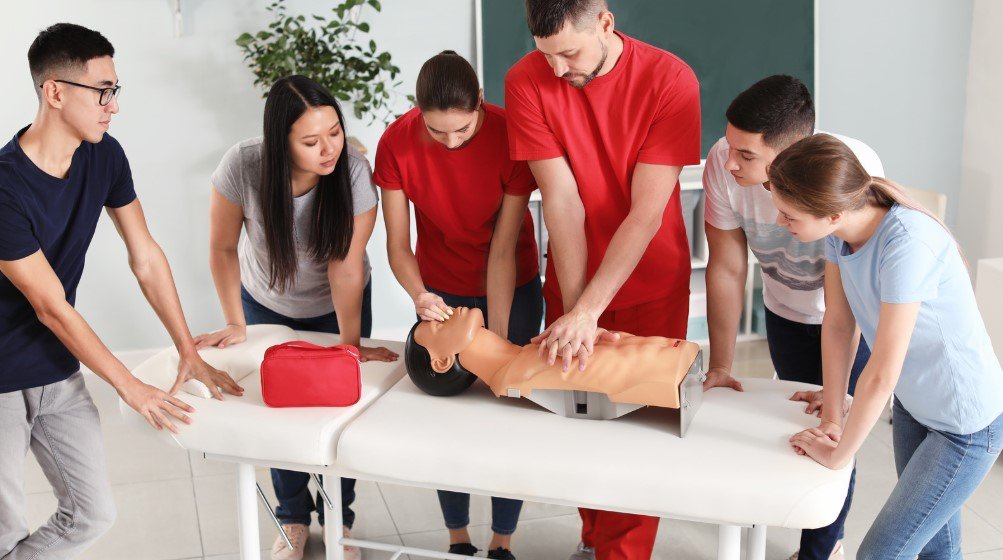
Coursework also covers medical ethics, patient communication, and legal responsibilities, ensuring students are well prepared to handle the diverse challenges they will encounter. Many students choose to reinforce their academic foundation by pairing their studies with an associate of arts degree in Troy, which strengthens general education skills such as communication, critical thinking, and problem-solving. Classroom instruction is interactive and often supported by simulation labs that help bridge the gap between theory and practice. These controlled environments allow students to practice assessments and interventions while building confidence before entering field rotations.
Preparing for a Career in Emergency Medical Services
Completing a paramedic program opens the door to a rewarding and impactful career. Paramedics play a crucial role in public safety, often serving as the first point of contact in life-threatening situations. Their training allows them to perform advanced procedures, administer medications, and provide immediate care that can significantly improve patient outcomes.
Because of the comprehensive nature of their education, paramedics are respected professionals within the healthcare system. The combination of academic knowledge and extensive field training ensures they can meet the demands of this challenging yet fulfilling career.
Conclusion
Paramedic education blends classroom instruction with practical field experience to prepare students for the realities of emergency medical care. Through a combination of rigorous coursework, clinical rotations, and hands-on field training, aspiring paramedics develop the skills, confidence, and judgment needed to respond effectively in critical situations. This integrated approach ensures they enter the workforce fully prepared to deliver high-quality, life-saving care to their communities.