





Navigating the world of real estate can often feel like deciphering a foreign language. Between the mortgage applications, the underwriting process, and the endless paperwork, it is easy to feel overwhelmed. However, if you are securing a loan backed by the Federal Housing Administration (FHA), there is one critical step you simply cannot skip: the FHA compliance inspection.
This isn’t just a formality. An FHA inspection ensures that the property meets specific safety, security, and soundness standards set by the Department of Housing and Urban Development (HUD). It protects the lender’s investment, but more importantly, it ensures the home is safe for you and your family. Whether you are a lender, a builder, or a hopeful homebuyer, understanding the role of a qualified FHA inspector is key to a smooth closing.
In this guide, we will explore what these inspections entail, why they are necessary, and the immense value of working with certified professionals who understand the nuances of FHA/HUD 92051 reporting.
What is an FHA Compliance Inspection?
At its core, an FHA compliance inspection is a specialized assessment of a property to ensure it meets the Minimum Property Standards (MPS) and Minimum Property Requirements (MPR) established by HUD. Unlike a standard home inspection—which gives a general overview of the home’s condition—an FHA inspection is mandatory for FHA loans and focuses specifically on health, safety, and structural integrity.
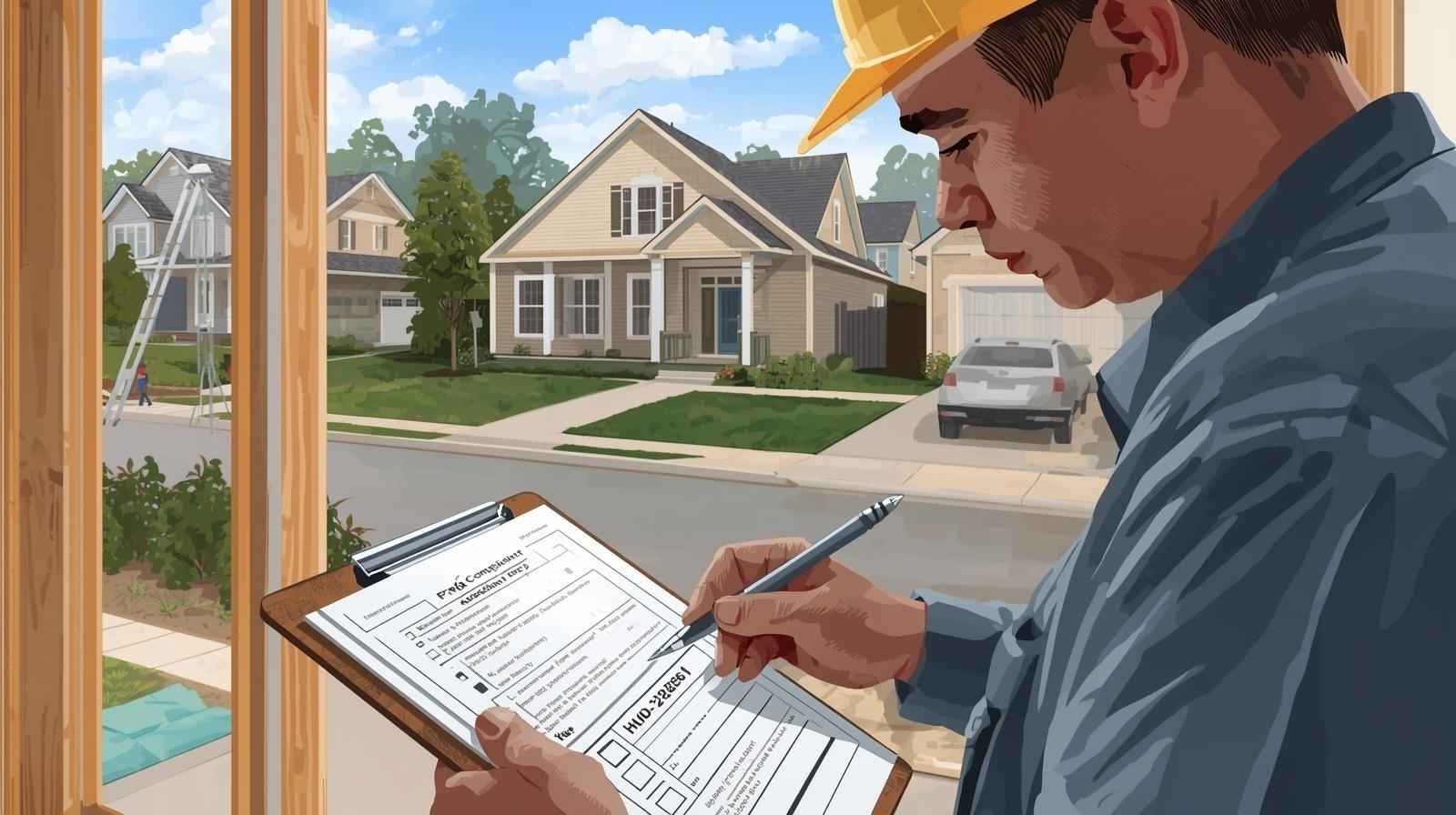
When a certified FHA inspector visits a property, they are looking for specific issues that could pose a risk to the inhabitants or the value of the property. This process is crucial for finalizing the loan. The inspector documents their findings on the HUD-92051 Compliance Inspection Report, a document that serves as the green light for lenders to proceed.
These inspections are not limited to existing homes. They are also vital for new construction, where inspectors verify that the build quality meets federal standards at various stages of the construction process.
The Importance of FHA/HUD 92051 Reporting
The paperwork involved in real estate transactions is notoriously dense, but the HUD-92051 form is one of the most significant documents in the FHA loan process. This report acts as the official record of the property’s compliance.
A qualified FHA inspector will use this form to report on Phase and Final inspections. Accuracy here is non-negotiable. If a report is incomplete or inaccurate, it can lead to frustrating delays in the loan approval process. Lenders rely on this documentation to verify that any required repairs have been completed and that the property is truly move-in ready.
For lenders and real estate professionals, partnering with an inspection service that prioritizes timely and accurate 92051 reporting is essential. It streamlines the workflow, ensuring that closings aren’t held up by paperwork errors or missing information.
Services Beyond the Standard Inspection
While the FHA compliance inspection is the headline service, top-tier inspection firms offer a broader range of evaluations to support various real estate needs. A comprehensive approach ensures that every aspect of the property is up to code, whether it is located in a bustling city center or a rural development.
Building Code Compliance
Beyond federal standards, properties must also adhere to local building codes. An experienced FHA inspector often holds additional certifications, such as ICC Certified Residential Combination Inspector (RCI). This allows them to perform dual roles, checking for FHA compliance while simultaneously verifying that the structure meets local safety regulations. This is particularly valuable for new constructions where adherence to code is strictly monitored.
Rural and Unincorporated Area Coverage
One common challenge in real estate development is finding reliable inspection services in rural areas or unincorporated zones (often referred to as the Extraterritorial Jurisdiction or ETJ). Municipal inspectors may not have jurisdiction in these areas, leaving a gap in oversight.
Private inspection consulting firms bridge this gap. By offering residential code inspections outside of city limits, they ensure that rural developments are built to the same rigorous standards as urban projects. This service provides peace of mind to buyers and lenders who might otherwise worry about the quality of construction in less regulated areas.
Construction Phase Inspections
For new builds, inspection isn’t a one-time event. It is a continuous process that happens in phases. From the pouring of the foundation to the framing and final walkthrough, each stage requires verification. A dedicated inspection team works with builders to schedule these assessments, ensuring that the project remains on track and compliant from the ground up.
Why Experience Matters in FHA Inspections
When it comes to compliance, experience is the best tool an inspector has. The regulations governing FHA loans are detailed and subject to change. Professionals who have been in the industry for decades possess a depth of knowledge that simply cannot be replicated.
Credentials and Certification
It is important to look for inspectors who are not only FHA fee inspectors but also hold certifications from the International Code Council (ICC). Titles such as Certified Building Official or Residential Combination Inspector indicate a high level of expertise. These professionals understand the “why” behind the codes, allowing them to provide practical solutions and clear explanations rather than just a checklist of problems.
Coordination with Lenders and Builders
The inspection process involves many moving parts. A seasoned FHA inspector acts as a central hub of communication between builders, underwriters, and loan processors. They understand the urgency of deadlines and the specific documentation lenders require. By facilitating this communication, they help prevent miscommunications that can derail a transaction.
Accuracy and Speed
Time is money in real estate. Waiting weeks for an inspection report is rarely an option. Established firms understand this urgency and often provide reports, including necessary photo documentation, within 24 to 48 hours of the inspection. This efficiency keeps the loan process moving forward, allowing buyers to get into their new homes sooner.
What to Expect During the Inspection Process
If you are new to the FHA process, knowing what to expect can alleviate a lot of stress. Here is a general overview of how the engagement with a professional inspection service typically unfolds.
1. Scheduling and Scoping
The process begins with scheduling. Whether you are a lender requiring a compliance check or a builder needing a code inspection, you will provide details such as the property address, plans, and any special requirements. Responsive service coordinators usually handle these requests promptly, ensuring your inspection is on the calendar as soon as possible.
2. The Inspection
The inspector visits the site to conduct the evaluation. For an existing home, they will check major systems, structural soundness, and safety features. For new construction, they will inspect the specific phase of the build (foundation, framing, etc.). They will document their findings with detailed notes and photographs.
3. Reporting
After the site visit, the inspector compiles the data into the required format, such as the HUD-92051 form. This report is then reviewed for accuracy and delivered to the relevant parties—usually the lender or the builder.
4. Resolution
If the property meets all standards, the process moves forward. If issues are identified, the inspector outlines what needs to be fixed. Once repairs are made, a re-inspection may be scheduled to verify compliance.
Ensuring a Smooth Path to Closing
The goal of any real estate transaction is a successful closing, and the FHA inspection is a vital checkpoint on that journey. It is a safeguard designed to ensure that federal funds are backing safe, high-quality housing.
By choosing a reputable and experienced inspection service, you are investing in the security of the transaction. You gain the assurance that the property has been thoroughly evaluated by experts who understand the intricate requirements of HUD and local building codes. Whether you are in Dallas, Fort Worth, or a rural community in Texas, relying on a certified FHA inspector is the smartest move you can make to protect your investment.
If you are ready to move forward with your FHA loan or construction project, ensure you have the right team in your corner. Professional inspection services provide the expertise, speed, and accuracy needed to navigate the complexities of compliance with confidence.