





It is a classic industry no-win situation that every contractor knows too well. You need a newer, faster excavator to bid on that lucrative municipal contract, but the bank says your credit score is not high enough to buy the machine. For many small business owners in the American construction sector, the “credit score” often feels like a lagging indicator of a past struggle rather than a reflection of current potential. Maybe a slow winter two years ago led to some late payments, or perhaps a supply chain hiccup ate your cash reserves.
The good news is that the lending landscape has shifted significantly. Modern construction equipment financing has evolved into a more pragmatic, asset-centric model. Lenders are increasingly looking past the three-digit FICO score and focusing on the value of the iron itself. If you are a contractor trying to scale your operation, understanding how to navigate these “realistic” options is the difference between growth and stagnation.
The Power of Asset-Backed Lending
When you apply for a standard business loan, the lender is mostly betting on your personal promise to pay them back. But with an equipment financing loan, the “bet” is secured by a physical asset. This is a massive advantage for someone with credit challenges. Because the machinery, whether it is a backhoe, a crane, or a fleet of trucks, serves as the primary collateral, the lender’s risk is lower. If things go south, they have a tangible asset they can liquidate.
This structural difference is why business equipment financing is often accessible even when a traditional line of credit is not. Lenders care about the “resale value” of the equipment. If you are buying a well-maintained, brand-name piece of gear, that machine is essentially its own insurance policy for the loan.
Why Your Cash Flow Might Save the Day
Well, even if your credit history has some bruises, your bank statements might tell a much better story. Many fintech lenders today use real-time data to assess the “health” of your business. They look at your average monthly deposits and the consistency of your revenue. If you can show that your business generates enough cash to comfortably cover a monthly payment, the credit score becomes a secondary concern.
In fact, some specialized construction equipment financing providers prioritize your “time in business” over your credit score. If you have been operating successfully for three or more years, that longevity proves you know how to manage a job site and a crew. Lenders see that experience as a form of “sweat equity” that offsets a lower credit rating.
Creative Ways to Bridge the Credit Gap
So, what if your score is really in the basement? You still have moves to make. One of the most effective ways to secure construction equipment financing with low credit is to put more “skin in the game.” While a borrower with a 750 score might get 100% financing, you might be asked for a 20% down payment. By putting cash upfront, you reduce the lender’s “Loan-to-Value” ratio, making the deal much more attractive to their risk department.
Another option is to look at an equipment financing loan that includes a “personal guarantee” or additional collateral. Do you have an older machine that is already paid off? Pledging that as extra security can often tip the scales in your favor. It shows the lender you are serious and that you have more than just one machine on the line.
Leasing vs. Financing: Which is the Better Bet?
Sometimes, the best way to get the gear is not to “own” it right away. Business equipment financing comes in many flavors, and leasing is often the “easier” door to open for those with credit issues. In a lease, the lending company retains ownership of the equipment, which gives them even more security than a standard loan.
At the end of the lease term, you often have the option to buy the machine for a fair market value or even a symbolic “one dollar.” This allows you to use the machine to generate the revenue needed to fix your credit over time. It is a long-game strategy that keeps your crews working while you rebuild your financial standing.
The Importance of the “Right” Machine
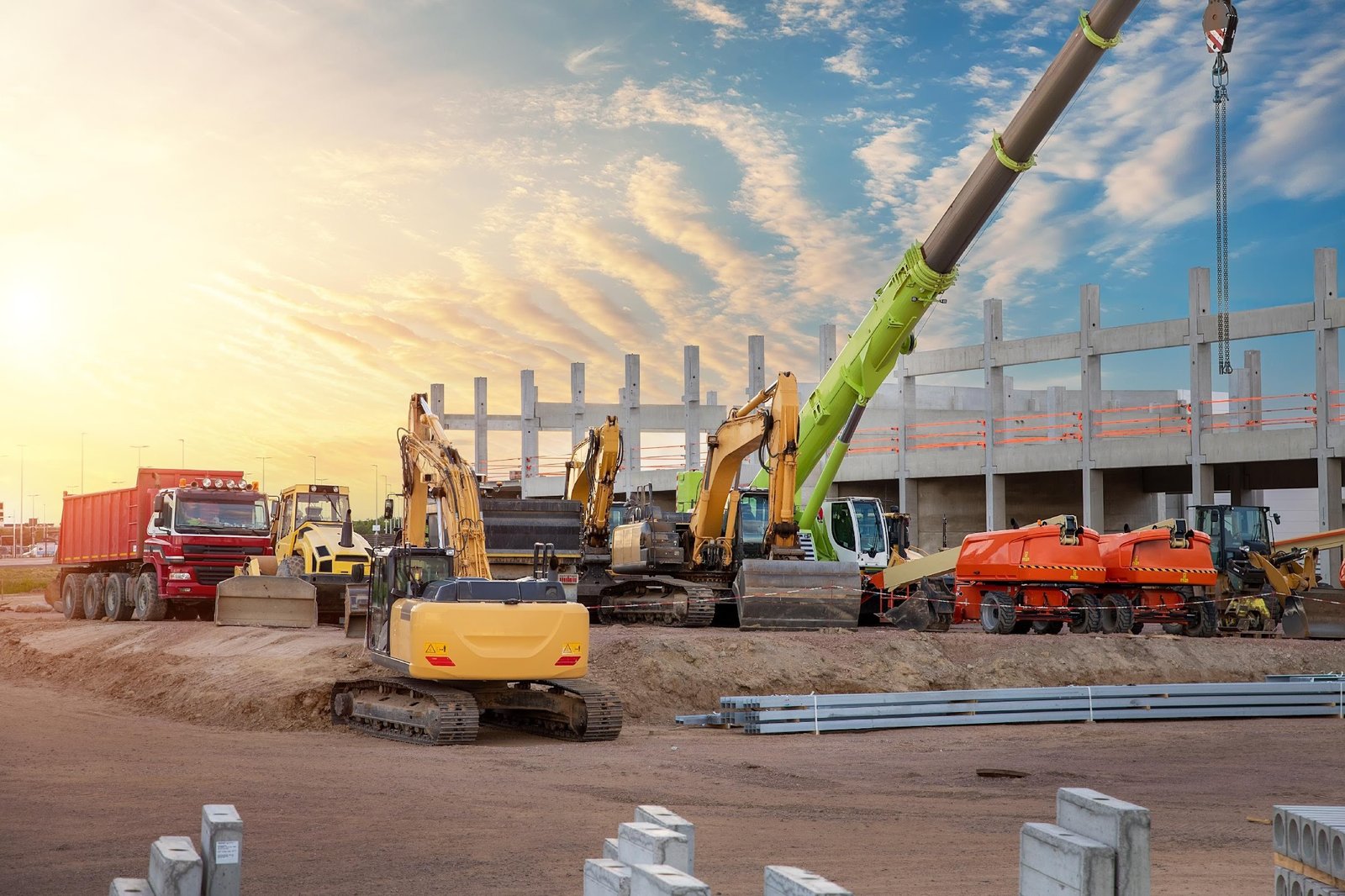
Believe it or not, the type of equipment you choose affects your approval odds. Lenders love “yellow iron”, like standard construction gear like Caterpillar or John Deere excavators. These machines hold their value and are easy to sell on the secondary market. If you are trying to get construction equipment financing for a highly specialized, niche piece of equipment that is hard to resell, a lender will likely be much more stringent about your credit score. Stick to the “workhorses” of the industry if you want the easiest path to approval.
Getting Your Paperwork in Order
Even if you are not going to a big bank, you need to look professional on paper. A “messy” application is a fast way to get a rejection. You should have your last six months of bank statements, your most recent tax returns, and a clear “invoice” or spec sheet for the equipment you want to buy.
Is there a specific reason your credit is low? Don’t hide it. Look, if there is a specific reason your score took a hit, do not try to hide it. Adding a brief, professional note that explains a one-time setback goes a long way. The people reviewing your construction equipment financing application are humans too. They understand the industry has its ups and downs. Being straight up about a past “hiccup” while showing strong current cash flow builds trust. When you are hunting for a business equipment financing deal, that transparency is often the factor that gets an underwriter to overlook a messy score and approve your equipment financing loan.
Conclusion
So, what is the bottom line here? Look, construction equipment financing is not just about getting a piece of iron to a job site; it is about keeping your momentum. A low credit score is a headache, sure, but it should be a speed bump, not a brick wall that shuts down your whole operation. By shifting the focus to the value of the equipment itself and showing off your actual cash flow, you can bypass those rigid bank “algorithms” that do not understand the trades.
Remember that every on-time payment you make on your equipment financing loan is essentially a brick in the foundation of a better credit score. You are doing two things at once: growing your fleet and fixing your financial reputation. Over time, this specific business equipment financing strategy proves you are a reliable bet. Do not let one “no” from a local branch manager stop you. The gear is out there, and with the right asset-backed approach, the funding is too. It is time to stop worrying about the past and start moving some dirt.