





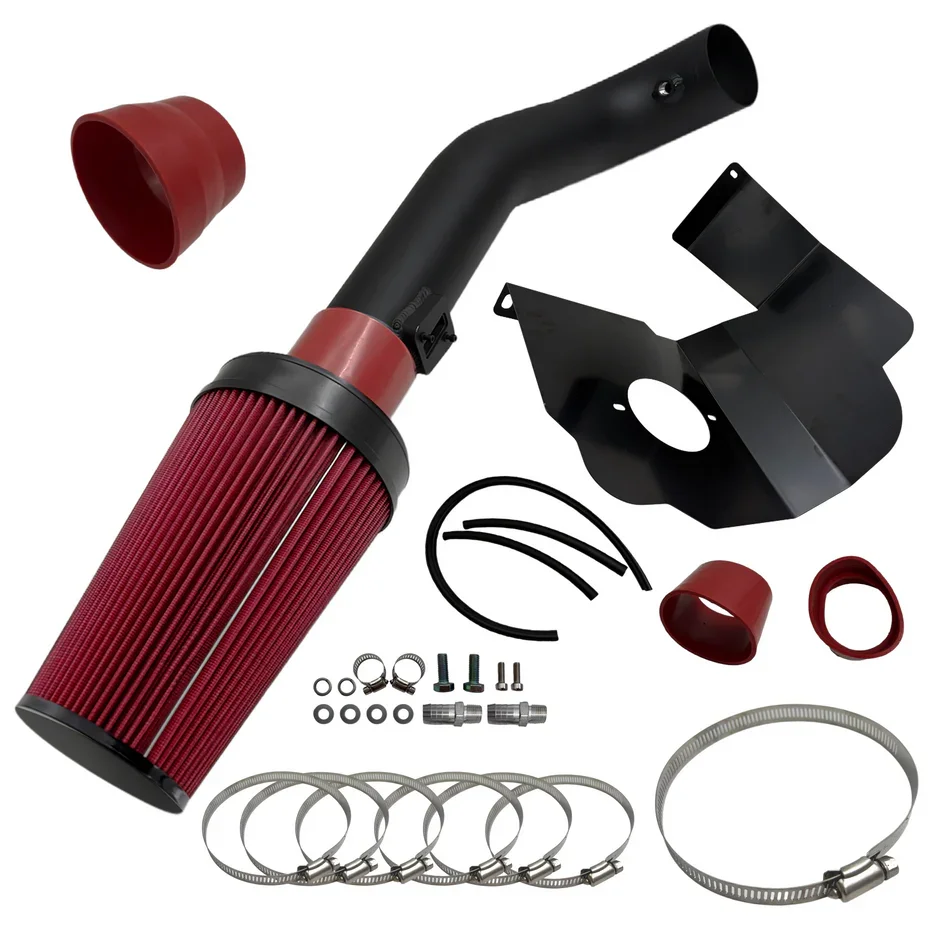
One of the most common car modifications among car lovers and ordinary drivers is the upgrading of the vehicle with a cold air intake. It will have enhanced engine performance, fuel efficiency, and aggressive engine sound. Not every cold air intake upgrade does not produce the desired outcome, however. There are numerous errors commonly done by drivers that may lower the performance or even destroy the engine. This article summarizes a decade of experience in automotive tuning to point out the main pitfalls to be circumvented to make your upgrade both safe and effective.
Understanding Cold Air Intake and Its Benefits
A cold air intake is meant to introduce cooler and denser air into the combustion chamber. Oxygen is more in the cooler air and it enhances efficiency of combustion. It is capable of producing a visible improvement in horsepower, improvement in throttle response, and increase in fuel economy. In addition to performance, a cold air intake can be used to improve engine sound and make vehicles sound sportier.
In spite of these benefits, cold air intake can only be successful when it is selected well, installed and maintained. Omission of steps or selection of incorrect components can restrain the benefits or cause issues.
Choosing the Right Cold Air Intake System
The initial error that individuals commit is to choose a cold air intake that does not fit the specifications of their car. There are systems of different make, model and engine type. Although there are universal kits, they usually need additional customization and might not be effective in performance. The selection of a system without researching airflow rates, the type of filter, and compatibility may result in the poor outcome.
Moreover, there are drivers that are only concerned with brand name and not engineering fit. A very marketed cold air intake may not be able to give quantifiable benefits to your engine. A visit to a professional or trusted reviews by verified users will make sure that you choose a system that will not compromise performance and reliability.
Improper Installation and Its Consequences
A good cold air intake can also not work to enhance performance when it is not fitted properly. The typical mistakes that occur during installations are loose clamps, improperly installed filters, or running intake tubing through areas of hot engines. These errors may permit unfiltered air to get into the engine or expose the intake to heat, which will nullify the advantages of cooler airflow.
When starting with the basics, it is important to strictly adhere to the instructions given by the manufacturers. Making photos during disassembly, checking the specifications of the torque on the bolts, and checking the connections can save a lot of money. Professional installation is a sure way of getting the system to work as desired when there is doubt.
Neglecting Maintenance of the Cold Air Intake
Cold air intake needs a regular check and most motorists do not pay much attention to it. Performance filters, in contrast to stock air filters, may require cleaning or oiling on a regular basis. Lack of maintenance may decrease airflow, damage engine performance, and decrease the life of the system.
In my case, a well-kept cold air intake does not only keep the horsepower intact but also safeguards the engine in the long run. Reminders should be set to check the filters and clean them after every 10,000 miles or according to the schedule suggested by the manufacturer to maintain the same performance.
Ignoring Vehicle Tuning After Installation
The other common error is that there is an expectation that a cold air intake will automatically enhance performance without any modification. Contemporary cars have electronic control units (ECUs) to control fuel injection and air intake. The introduction of a cold air intake alters the airflow dynamics and unless the ECU is properly tuned, the engine will lean or run rich, decreasing its efficiency, and could even cause damage.
The upgrade will be beneficial to your vehicle, and professional ECU tuning or at least monitoring of the engine parameters after the installation will help to ensure that. Numerous tuners claim to have recorded significant increases in horsepower and torque after tuning air-fuel ratios after installing a cold air intake.
Overestimating Performance Gains
It is a misconception that dramatic performance improvements will be realized. Although a cold air intake may boost horsepower and throttle response, the benefit is usually small in case of stock engines. The exaggeration of the outcomes may cause either disappointment or further unneeded adjustments.
Learning of realistic expectations assists in strategizing on complementary upgrades, e.g. exhaust system, or ECU tuning, to get maximum performance. Keep in mind, a cold air intake is not a miracle cure to a vehicle, but an element of a holistic approach to vehicle improvement.
Ensuring Legal Compliance
There are drivers who fail to consider regulation in upgrading to a cold air intake. In some areas, the consumption changes can influence the compliance with emissions. The installation of a non-compliant system may result in failures to pass inspection or fines. To prevent any future complications, always make sure that the local regulations are checked and that the intake systems are selected in accordance with the legal requirements.
Conclusion
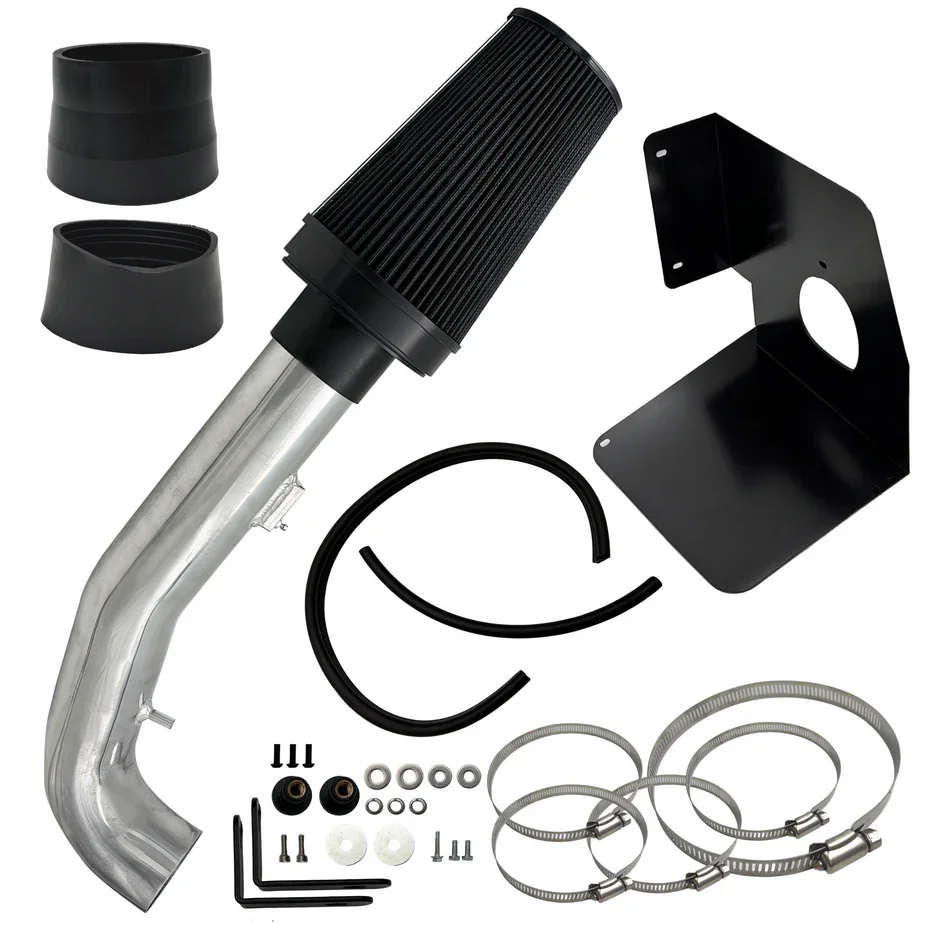
Cold air intake will increase the performance, efficiency and sound of your car but this will only work successfully with informed choices and proper implementation. By not making these errors, you can have a successful upgrade that will have long lasting benefits; these errors include selecting incompatible systems, poor installation, ignoring maintenance, failure to adjust ECU and over estimating the benefits, and legal compliance. The drivers can have the full potential of their cold air intake without sacrificing reliability and safety by being mindful of the process.
FAQs.
1. What is the recommended frequency of cleaning my cold air intake filter?
The performance filters would normally need cleaning after every 10,000-15,000 miles or as indicated by the manufacturer. Cleaning helps avoid the low airflow and keeps the engines efficient.
2. Would a cold air intake be considered a warranty breach to my car?
It is related to the car and the type of modification. The majority of manufacturers permit cold air intakes as long as they do not damage the engine during installation, but never upgrade warranty terms.
3. Is it possible to install a cold air intake?
Yes, but one should be careful. It is important to follow the instructions of the manufacturer, make sure that all clamps are in place and properly routed. Beginners should install it professionally.
4. Does cold air intake enhance fuel economy?
In some cases, yes. Dense, cooler air can be burned more efficiently and this can marginally lead to increased fuel economy. Depending on the type of engine and the conditions of driving, the gains differ.
5. Will the installation make my engine sound louder?
Typically, yes. Cold air intake usually enhances intake noise resulting in the engines being more sporty and aggressive in sound, particularly during acceleration.