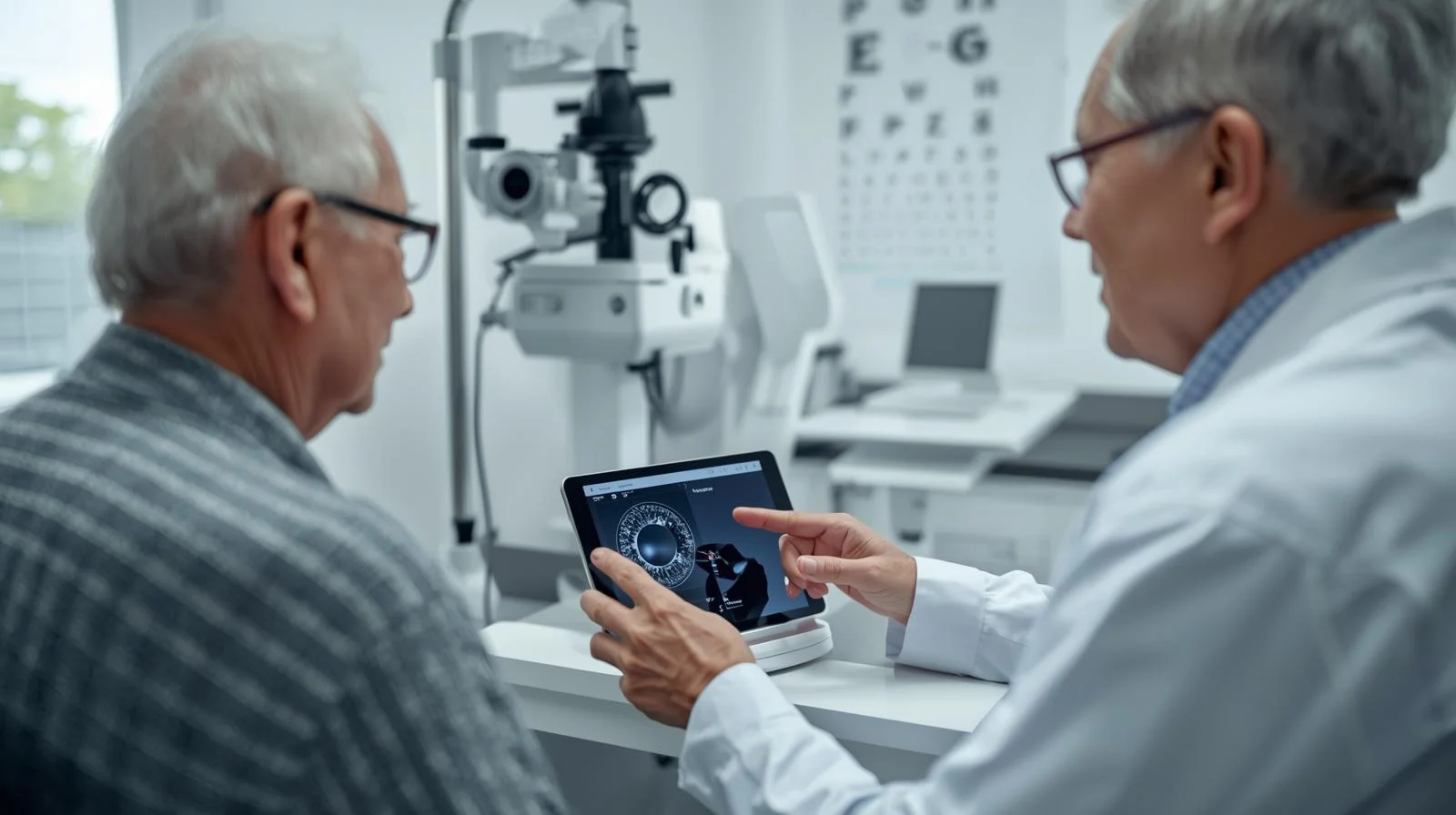

Looking for the best naturopathic doctor near me starts with knowing what matters most: a licensed, experienced practitioner whose approach matches your health priorities. You can find a great naturopath by checking credentials, patient reviews, and the therapies they specialize in, then booking a short consult to see if their style fits your needs.
This guide will show how to locate qualified naturopathic doctors in your area, what questions to ask, and the practical benefits of working with one so you can choose confidently. Expect clear steps for searching local directories, evaluating qualifications, and assessing treatment approaches so you spend less time guessing and more time getting care that suits your goals.
How to Find the Best Naturopathic Doctor Near Me
Focus on specific qualifications, practical office logistics, and verified patient experiences. Narrow choices by licensure, treatment scope, communication style, and measurable outcomes.
What to Look for in a Naturopathic Doctor
Look for clinicians who combine evidence-based testing with customized treatment plans. Prefer NDs who order lab work (blood panels, hormone tests, stool PCR) when relevant rather than relying solely on supplements.
Prioritize doctors who clearly explain treatment goals, timelines, and expected results. Ask whether they use a mix of modalities you want—nutrition counseling, botanicals, clinical detox, physical medicine, or prescriptions where permitted.
Check appointment length and follow-up structure. Longer initial visits (45–90 minutes) and scheduled progress checks indicate a thorough approach. Confirm if they offer virtual visits or direct messaging for convenience.
Credentials and Licensing Requirements
You must confirm the ND attended an accredited naturopathic medical school and passed board exams from the North American Board of Naturopathic Examiners (NABNE) or equivalent. Licensing varies by jurisdiction; verify state or provincial licensure through government or association directories.
Look for additional certifications for specialties (e.g., IV therapy, women’s health, functional endocrinology). Note any restrictions: some regions limit prescribing rights and certain procedures, so ensure the doctor’s legal scope matches your needs.
Use a short checklist when contacting a clinic:
- School and graduation year
- Board exam status
- State/provincial license number
- Additional specialty certifications
Evaluating Patient Reviews and Testimonials
Focus on specific, recent reviews that mention outcomes, communication, and office logistics. Give more weight to reviews that describe measurable improvements (lab changes, symptom reduction) and the timeframe in which they occurred.
Watch for consistent themes: strong communication, clear treatment plans, reasonable costs, and reliable scheduling. Treat anonymous or overly brief reviews with caution.
Cross-check reviews across multiple sources (clinic site, RateMDs, professional association directories). If possible, call the clinic and ask for a brief patient reference or outcome examples to validate common claims.
Benefits of Working With a Naturopathic Doctor
You gain care tailored to your medical history, lifestyle, and goals, plus coordination with any specialists or primary care providers you already see. Expect practical treatment steps, measurable goals, and ongoing adjustments based on tests and how you respond.
Personalized Treatment Plans
A naturopathic doctor builds a plan around what’s causing your symptoms, not just the symptoms themselves. That starts with a full intake (medical history, diet, sleep, stress, environment) and targeted testing such as blood panels, food-sensitivity screens, or hormone assays when indicated.
Your plan typically combines concrete components: nutrition changes, specific supplements with dosages, herbal protocols, targeted physical or mind-body therapies, and measurable short-term goals (e.g., lower fasting glucose, reduce daily migraine days). The ND documents timelines and follow-up testing to track progress and changes. You’ll get clear instructions for daily actions, expected timeframes for improvement, and contingency steps if a therapy doesn’t work or causes side effects.
Integration With Conventional Medicine
A licensed naturopathic doctor communicates directly with your PCP and specialists to align care and avoid conflicting treatments. They can co-manage chronic conditions (diabetes, thyroid disorders, IBS) by adjusting lifestyle and supplements while your specialist manages medications and procedures.
You benefit from combined decision-making: the ND will recommend evidence-based adjuncts that complement prescription therapies, flag interactions, and suggest lab monitoring frequency. If you require referral for imaging or specialty care, the ND coordinates that too, ensuring you receive integrated, safe care that respects both conventional and naturopathic approaches.