





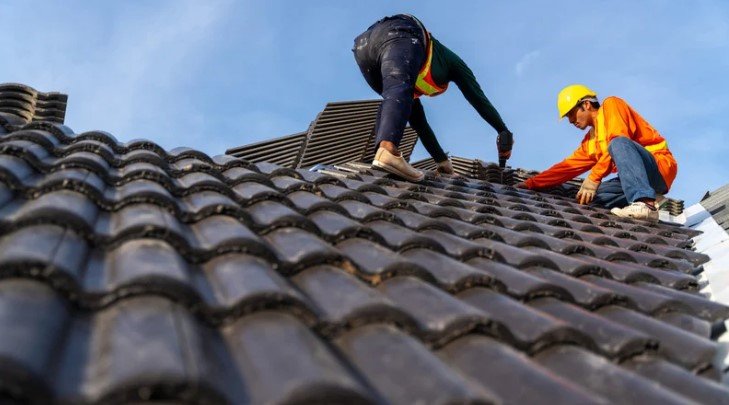
Roof leaks can develop gradually or appear suddenly, but in either case, they signal that your home’s structure needs attention. Moisture entering through the roof can damage insulation, ceilings, walls, and even electrical systems if ignored for too long. Early identification is essential, especially since small issues can escalate quickly when exposed to rain or temperature changes. Many homeowners explore solutions such as roof repair in Atlanta within the first signs of leakage to prevent further damage and restore roof integrity. Understanding why leaks occur helps homeowners take timely action to maintain a safe, dry home.
What Leads to Roof Leaks
Several factors can contribute to a roof leak, and many relate to wear, aging materials, or weather-related stress. Even homes with relatively new roofs can face issues if installation steps were missed or materials were compromised. Recognizing the early indicators can prevent costly structural repairs later. Regular inspections and professional evaluations allow minor vulnerabilities to be corrected before they evolve into more extensive concerns.
Damaged or Missing Shingles
Shingles serve as the first layer of protection against rain and debris. When they crack, curl, or blow off after storms, water gains access to the underlying roof layers. Once moisture seeps through, it can travel beyond the damaged area and create stains or soft spots inside the home. Addressing missing shingles promptly is one of the simplest ways to stop leaks from spreading.
Compromised Flashing and Sealant
Flashing surrounds chimneys, vents, skylights, and other roof openings. If flashing becomes loose or corroded, water can penetrate the gaps and enter the attic. Sealants used around these roof connections may also deteriorate over time, especially in areas exposed to frequent temperature shifts. Maintaining these components is essential to preventing hidden leaks.
Clogged Gutters and Improper Drainage
When gutters fill with debris, water cannot flow away from the roof as intended. This often causes water to pool along the edges, increasing the likelihood of seepage beneath shingles or fascia boards. Proper drainage reduces pressure on the roof and guides water safely away from the structure.
Aging Roof Materials
Roofing materials naturally weaken as they age, and exposure to sun, wind, and moisture accelerates the process. Over time, surfaces may become brittle or porous, allowing water to enter easily. Understanding how your roof’s lifespan compares to typical expectations can help determine when upgrades are necessary. Understanding the roof repair process explains how professionals assess damage and determine the best course of action.
How to Respond When You Notice a Leak
Once you detect signs of water damage, swift action reduces the risk of additional complications. Start by observing where the leak appears inside your home, but keep in mind the entry point may be located elsewhere on the roof. A professional inspection provides an accurate diagnosis and ensures that all affected areas are addressed. Prompt repairs help stabilize the home’s structure and restore confidence in the roof’s ability to protect your living space.
Preventive Measures to Avoid Future Leaks
Preventive strategies play a significant role in maintaining roof health. Routine gutter cleaning, periodic inspections, and replacing worn components reduce the likelihood of recurring issues. Professional roofing services evaluate hidden vulnerabilities and ensure that all materials continue performing effectively—homeowners who prioritize maintenance experience fewer emergencies and gain long-term security.
Conclusion
Roof leaks often begin with small, manageable issues that escalate when overlooked, making early attention essential for protecting your home. By understanding what causes leaks and recognizing early warning signs, you can take informed steps toward timely repairs. Regular inspections, proper drainage, and trusted professional support all help preserve the strength and reliability of your roof. Reliable care ensures your home stays dry, stable, and prepared for changing weather conditions.