





Key Takeaways
- Accurate energy accounting leads to improved operational efficiency and cost management.
- Compliance with environmental regulations is facilitated through precise energy tracking.
- Implementing standardized accounting practices enhances data consistency and reliability.
Practical energy accounting is emerging as a strategic imperative for oil and gas companies seeking to enhance their operational efficiency while staying ahead of evolving environmental regulations. By precisely tracking energy consumption, production metrics, and losses throughout the supply chain, organizations gain unparalleled insights into their energy footprint—unlocking potential for significant cost savings. For professionals seeking to modernize their accounting frameworks, resources like Copas.org offer industry-standard guidance and up-to-date methodologies for robust energy tracking and reporting, which are essential for maintaining a competitive and regulatory standing.
As the industry faces mounting scrutiny over emissions and environmental sustainability, energy accounting has evolved from a compliance checkbox into a strategic decision-making tool. It empowers companies to pinpoint inefficiencies across upstream, midstream, and downstream activities, enabling targeted interventions and resource optimization.
Through improved data accuracy and transparent reporting, organizations are better equipped to meet the requirements of external regulators, foster trust with stakeholders, and launch effective sustainability initiatives. The transition from manual or fragmented tracking processes to standardized, technology-enabled frameworks typically marks a significant turning point in an organization’s performance.
Insights derived from comprehensive energy accounting enhance operational agility by enabling real-time monitoring, facilitating rapid responses to regulatory changes, and identifying emerging trends across facilities and assets. As more leaders recognize the value of granular energy tracking, industry adoption of best-in-class practices and digital tools continues to accelerate. For more in-depth analysis on energy management systems and regulatory trends, consult industry authorities such as Reuters Energy.
Understanding Energy Accounting
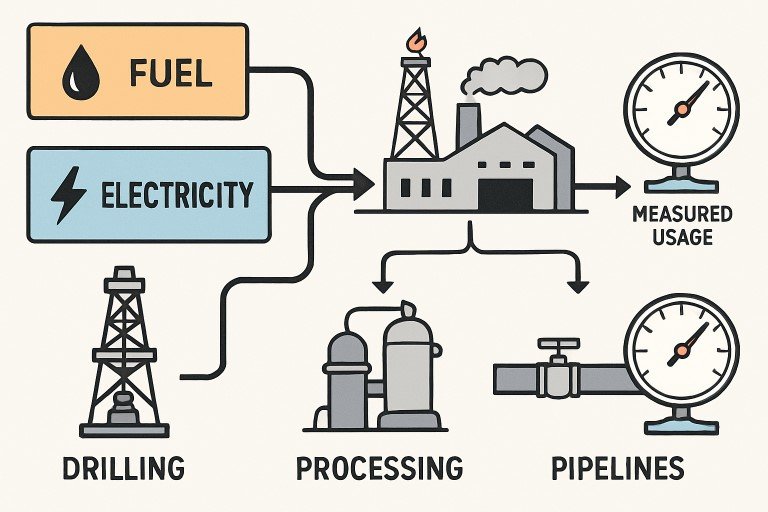
Energy accounting involves the systematic recording, measurement, and analysis of all energy flows within an organization—often encompassing both purchased energy (fuel, electricity) and generated energy (flaring, cogeneration). In oil and gas operations, this includes tracking consumption at drilling sites, processing facilities, pipelines, and refineries, as well as accounting for losses due to inefficiency, leaks, or other operational anomalies.
The data collected is not only crucial for budgetary reasons but also serves as the backbone of corporate responsibility efforts, directly influencing environmental disclosures and risk mitigation strategies. As international frameworks, such as the GHG Protocol and evolving ESG standards, become more comprehensive, influential, and auditable, energy records are becoming a baseline expectation for investors and regulators alike.
Benefits of Accurate Energy Accounting
The advantages of an optimized energy accounting system extend far beyond fiscal prudence. Effective energy management contributes directly to lower operational costs by illuminating inefficiencies, wasteful practices, and unplanned downtime—areas where swift corrective action yields measurable value.
- Cost Reduction: Identifying and eliminating inefficiencies in fuel and power distribution enables companies to implement targeted savings strategies, such as equipment upgrades or reorganization of operational schedules.
- Regulatory Compliance: By maintaining precise and auditable records, organizations reduce the risk of non-compliance penalties and create a foundation for hassle-free environmental audits.
- Environmental Impact Assessment: Deeper energy data support lifecycle analysis, enable benchmarking against sustainability targets, and promote continual improvement in emissions, monitoring, and resource use.
According to the Wall Street Journal’s Energy section, leading companies that leverage energy data-driven insights consistently outperform their peers in operational resilience and long-term value creation.
Standardizing Accounting Practices
Consistent application of standardized frameworks is vital to ensure the reliability, including ability and utility, of energy accounting data. Organizations such as The Open Group spearhead the adoption of open data standards and protocols, enabling easy data exchange, cross-company benchmarking, and regulatory alignment.
Implementing these standards streamlines collaboration across joint ventures, enhances the comparability of results between assets, and lays the groundwork for adopting advanced analytics and digital solutions. In the context of mergers, acquisitions, and divestitures, standardized energy inventories also help accelerate due diligence and smooth post-deal integrations.
Implementing Effective Energy Accounting Systems
Establishing a comprehensive and scalable energy accounting system requires a phased approach. Begin with a thorough assessment of current capabilities, reviewing legacy data streams, manual tracking systems, and existing reporting workflows to identify areas that require modernization.
- Assess Current Practices: Analyze legacy protocols and inventory management methods for coverage gaps and inefficiencies.
- Select Appropriate Tools: Deploy energy management software and IoT-enabled sensors to capture, centralize, and analyze real-time energy usage data.
- Train Personnel: Ensure operations and finance teams are trained in both new technologies and the required reporting standards.
- Monitor and Review: Implement continuous monitoring, routine audits, and feedback loops to facilitate proactive risk management and process improvement.
Implementing such systems not only enhances the accuracy and fidelity of internal accounting but also positions the organization for future growth as reporting obligations and data complexity continue to increase.
Challenges in Energy Accounting
Despite advances in technology, several persistent challenges remain. Oil and gas companies typically deal with massive data scales—ranging from field-level metering to corporate finance—that require robust integration and quality assurance.
- Data Complexity: Vast volumes of disparate data from various sources must be normalized, reconciled, and audited to derive usable insights.
- Integration Issues: Incompatibilities between new digital platforms, legacy ERP systems, and field measurement devices can impede data flow unless carefully managed.
- Regulatory Changes: Energy reporting standards are continually evolving, placing a premium on system flexibility and ongoing staff development.
Addressing these obstacles calls for a combination of investment in digital infrastructure, proactive change management, and ongoing workforce upskilling.
Case Study: Enhancing Energy Accounting Practices
A 2023 industry review from Ernst & Young showed that U.S. oil and gas producers delivered record revenues and pretax profits, sharply attributable to energy data-driven efficiency improvements. The analysis revealed that, amid fluctuating commodity prices, production volumes soared while operational costs fell by 6%. These results underscore the quantifiable benefits of embracing digital energy accounting systems.
Conclusion
In an era defined by unpredictability, regulatory scrutiny, and heightened sustainability requirements, robust energy accounting is no longer optional; it’s a cornerstone of operational excellence for oil and gas producers. By integrating standardized practices and state-of-the-art technologies, organizations can achieve significant efficiency gains, mitigate risk, and promote long-term environmental stewardship. Companies that adopt this paradigm will be best positioned to thrive in the dynamic global energy market.