





Running a growing business is exciting—new customers, bigger projects, and fresh opportunities seem to appear every week. But with growth often comes a challenge that almost every business owner eventually faces: needing more equipment than you currently have without draining your cash reserves. That’s where equipment financing steps in as a practical, manageable solution.
Whether you’re running a café looking to upgrade its espresso machine, a tradie needing a new ute, or a manufacturing company considering automated machinery, equipment financing makes it possible to keep moving forward without putting unnecessary pressure on your budget. In this guide, we’ll break down how it works, why it’s helpful, and how it fits into real-world situations across different industries.
Why Equipment Financing Matters for Expanding Businesses
When you’re in a growth phase, every dollar counts. Many businesses run on tight margins, especially during expansion, and paying upfront for equipment can quickly stall progress. That’s why equipment financing exists—to help businesses access the tools they need now while spreading costs over time.
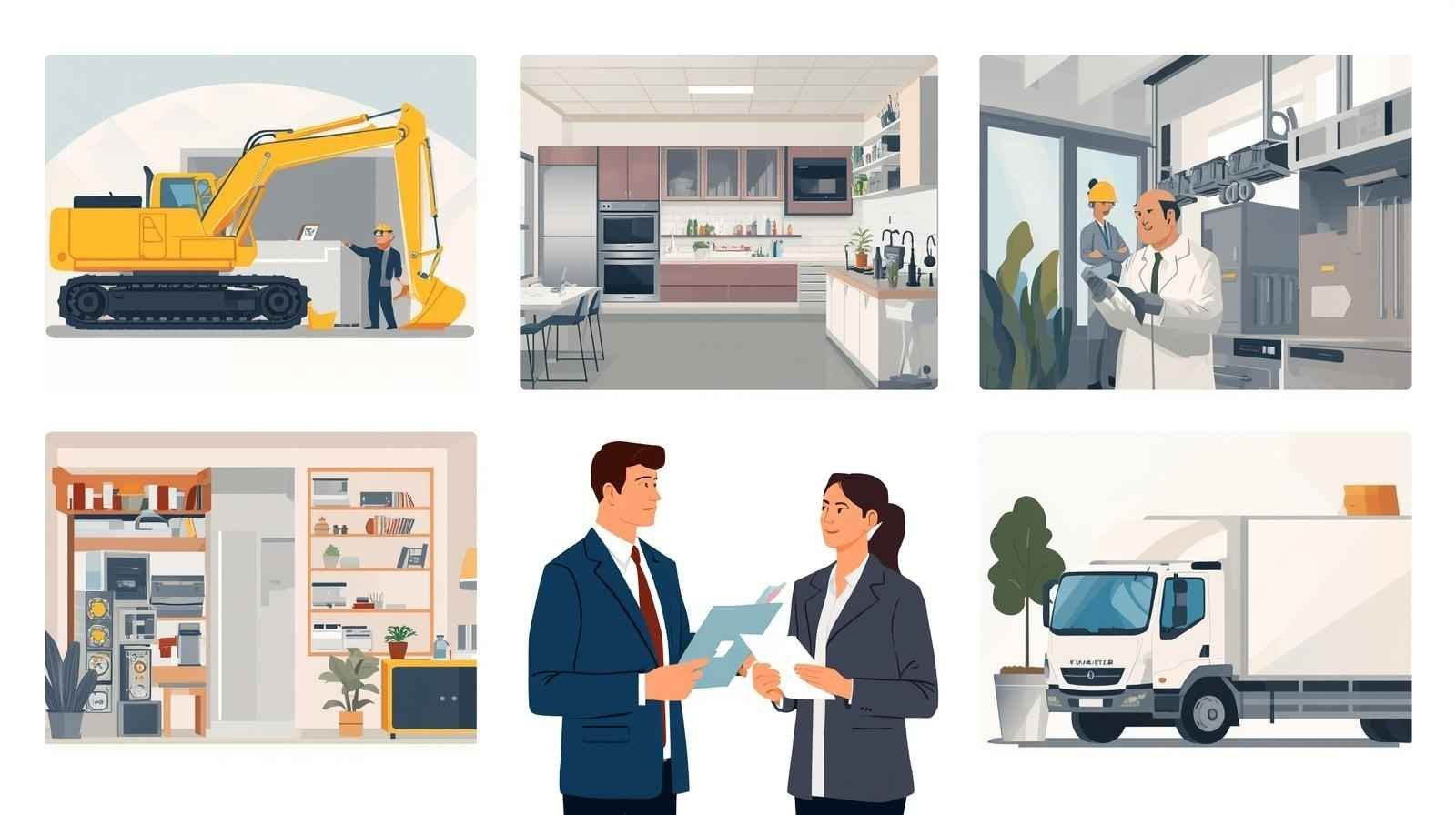
Think about a small construction company taking on larger projects. They might need additional excavators or trucks, but purchasing them outright could mean sacrificing their safety net for materials, wages, and emergencies. Financing enables them to maintain cash flow while securing the gear needed to deliver new contracts.
The same applies to healthcare clinics upgrading diagnostic machines, restaurants installing commercial kitchen equipment, or delivery services adding vehicles to their fleet. Access to equipment is often what enables a business to serve more customers, operate more efficiently, or even expand into new markets.
This approach works similarly to other forms of asset-based lending, in which the equipment itself serves as collateral. This reduces risk for lenders and helps make financing accessible to a wider range of businesses—even those without large reserves of capital or a long trading history.
How Equipment Financing Works (Without the Complicated Jargon)
The great thing about equipment financing is that it’s straightforward. Instead of paying the entire cost upfront, you agree to pay for the equipment over a set period. This is usually done through a loan or lease structure.
Here’s what the process typically looks like:
- Choose the equipment you need.
This could be anything from computers and office fit-outs to mining machinery, vehicles, or medical tools. If it helps your business operate, there’s a good chance it can be financed. - Apply for financing.
Lenders generally look at your business stability, cash flow, and the type of equipment you’re purchasing. The equipment itself usually acts as security, which can help speed up approval. - Start using the equipment immediately.
This is one of the biggest advantages. You don’t need to wait until you have enough money saved—financing lets you put your tools to work right away. - Pay in manageable installments.
This makes budgeting easier. You know exactly what you owe each month, allowing you to plan more confidently and protect your liquidity. - Own it (or upgrade) at the end of the term.
Depending on the arrangement, you may own the equipment outright or have the option to upgrade to a newer model. This flexibility is especially helpful in industries where technology evolves quickly.
Think of it as leasing a car or paying for a home appliance on installment, but on a business scale. Many industries, especially those that rely heavily on machinery, have adopted this model as a standard for keeping operations running smoothly. Even common terms like depreciation and interest become easier to navigate once you start using a structured payment plan.
Real-World Examples: How Different Industries Use Equipment Financing
Equipment financing isn’t just for large corporations. Businesses of all sizes—from local start-ups to national operations—lean on it to support growth and stability. Here are some practical examples:
Hospitality
A bakery expanding into wholesale orders may require industrial mixers or multiple convection ovens. Rather than invest tens of thousands upfront, they finance the equipment and use the increased production capacity to cover the repayments.
Transport & Logistics
Delivery companies often need a fleet of vehicles to keep operations efficient. Instead of paying full price, financing allows them to scale quickly in response to rising demand.
Construction & Trades
Builders and tradies regularly invest in excavators, trucks, scaffolding, compressors, or specialised tools. With equipment financing, they can take on larger contracts without worrying about massive initial expenses.
Healthcare
Clinics and dental practices frequently upgrade diagnostic devices, imaging equipment, or treatment tools. Financing helps them stay current with technology while maintaining their day-to-day cash flow.
Agriculture
Farmers use financing for tractors, irrigation systems, processing machines, and more. With seasonal income cycles, structured repayments make it easier to match expenses to revenue.
In all of these cases, businesses use financing not just to afford equipment, but to unlock opportunities that would otherwise be out of reach. It allows them to focus on growth rather than budget constraints, thereby creating long-term sustainability.
When Equipment Financing Makes the Most Sense
While equipment financing is versatile, it’s especially useful when:
- Your business is growing quickly and needs new tools to keep up.
- You want to preserve your cash flow for operating expenses.
- Repairs or outdated machinery are slowing down productivity.
- Upgrading equipment will help you win more contracts or serve more clients.
- You want predictable monthly expenses rather than high upfront costs.
Many business owners also choose financing to avoid tying up capital in depreciating assets. Instead of locking in tens or hundreds of thousands of dollars, they use financing to spread the investment over time while keeping funds available for marketing, hiring, or unexpected expenses.
Midway through their financing journey, some businesses discover additional benefits—such as potential tax deductions or the ability to negotiate upgrades at the end of the term. These advantages can combine to create more financial flexibility than purchasing outright ever could.
As a business owner exploring these options, you can access more details by reviewing equipment financing by Diverse Funding Solutions as part of your research.
On top of that, you may find it useful to understand how economic indicators, such as economic growth, impact financing options and the broader marketplace, help you make more informed long-term decisions.
Final Thoughts: Financing That Helps You Build for the Future
Equipment financing is more than just a payment plan—it’s a strategic tool for businesses that want to grow without overstretching themselves. It helps you stay competitive, operate efficiently, and take on new opportunities with confidence.
By spreading costs over time, protecting your cash flow, and giving you access to the tools that keep your business running, equipment financing has become a practical choice for countless industries. Whether you’re upgrading technology, expanding your operations, or replacing outdated equipment, it offers a flexible pathway forward.
Growth shouldn’t be limited by cash on hand. With the right financing approach, businesses can invest in the equipment they need today while staying financially steady for tomorrow.