In the world of branding, making a lasting impression is everything. Companies constantly search for innovative ways to make their logo and message stick—not just in the minds of their customers, but physically on their products and promotional materials. While traditional branding methods have their place, the demand for more versatile and durable solutions is growing. Businesses need options that can adapt to various surfaces, shapes, and environments without compromising on quality or visual appeal.
This is where flexible branding solutions come into play. These materials are designed to go where rigid labels and plates cannot, offering a dynamic way to showcase a brand on a wide array of items. Whether it’s for uniquely shaped electronics, high-end sporting equipment, or custom automotive parts, these solutions provide the adaptability needed for complex projects. This post will explore the benefits and applications of flexible materials for your custom branding needs, helping you understand how they can elevate your products and set your brand apart.
Why Choose Flexible Branding?
When you think of a brand nameplate, you might picture a rigid, flat piece of metal or plastic. While effective for many applications, this traditional approach has its limits. Flexible branding materials open up a world of possibilities, offering several key advantages for businesses that want to push creative boundaries.
Unmatched Versatility
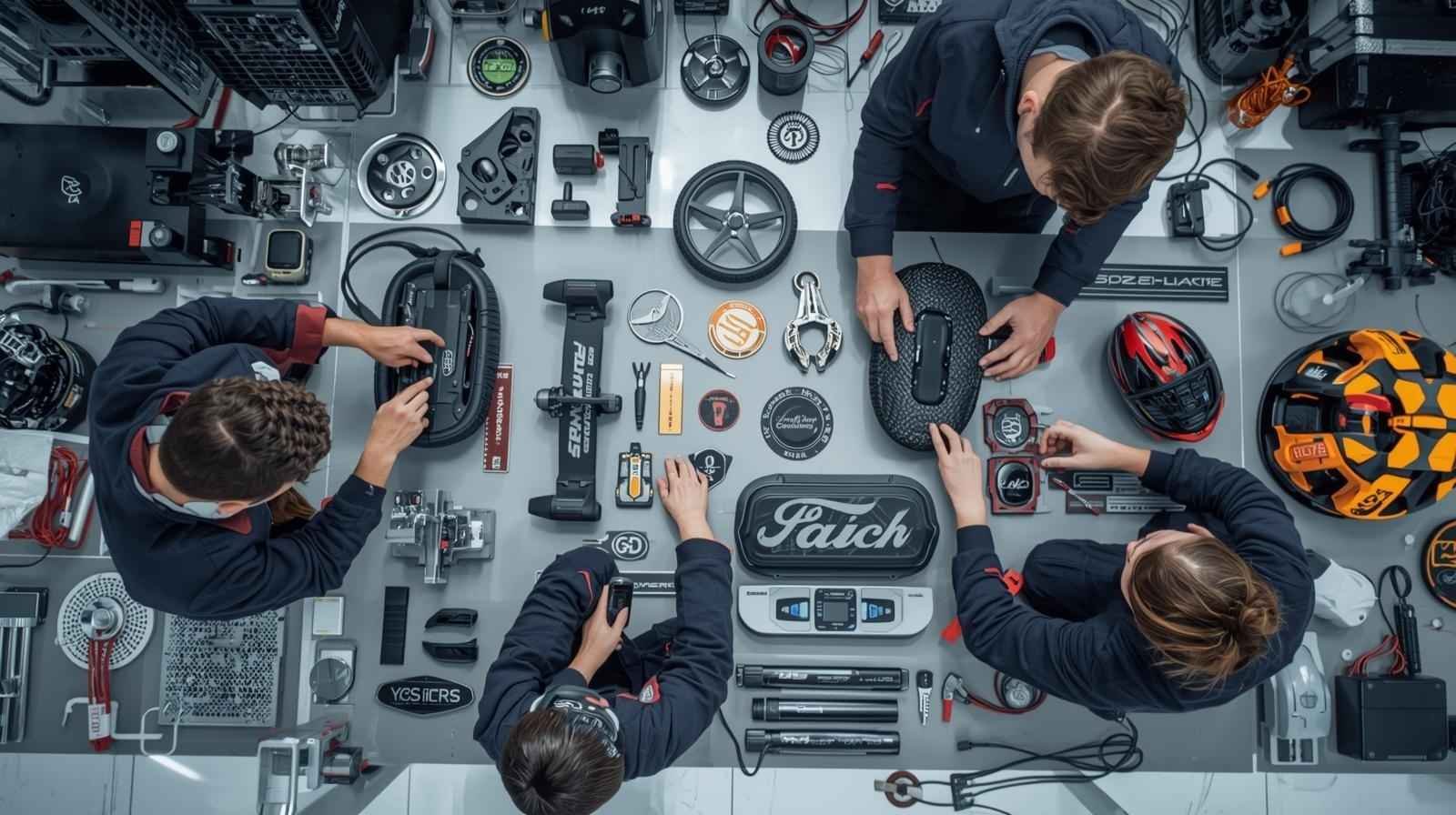
The primary benefit of flexible branding solutions is their ability to conform to almost any shape. Think about products with curved, textured, or uneven surfaces—items like helmets, high-tech gadgets, or specialized industrial equipment. Applying a stiff nameplate to these products is often impractical or impossible. Flexible materials, however, can be applied smoothly and securely, ensuring a seamless, integrated look that appears as if it’s part of the product itself. This versatility allows designers and engineers to maintain brand consistency across a diverse product line, regardless of form or function.
Durability for Demanding Environments
Flexibility doesn’t mean fragility. In fact, many advanced branding materials are engineered to withstand harsh conditions. They can be resistant to chemicals, abrasion, UV exposure, and extreme temperatures. This makes them ideal for products used outdoors or in industrial settings where they might be exposed to rough handling and environmental stressors. For example, a brand emblem on a piece of construction machinery or marine equipment needs to be tough enough to endure daily wear and tear without fading, peeling, or cracking. Flexible solutions provide this resilience, protecting your brand’s integrity for the long haul.
Applications Across Industries
The adaptability of flexible branding materials makes them a valuable tool for a wide range of sectors. Their unique properties allow for creative and practical applications that enhance both aesthetics and performance.
Consumer Electronics and Appliances
The sleek, curved designs of modern electronics and home appliances require branding that can match their sophisticated look. Flexible nameplates and overlays can be applied to products like smart speakers, kitchen gadgets, and wearable tech. These solutions can be crafted to be incredibly thin, ensuring they don’t add unnecessary bulk or interfere with the product’s user interface. They can even incorporate functional elements, such as backlighting or integrated buttons, blending branding with usability.
Automotive and Transportation
In the automotive industry, branding is crucial. Flexible emblems and badges are used for both exterior and interior applications. They can adhere perfectly to the contours of a car’s body, steering wheel, or dashboard. Materials like plastic vinyl can be formulated to meet strict automotive standards for weather resistance and durability, ensuring that a vehicle’s branding looks pristine for years, even when exposed to sunlight, rain, and road salt.
Sporting Goods and Outdoor Gear
Products designed for sports and recreation face some of the toughest conditions. From surfboards and skis to athletic helmets and golf clubs, the branding must be able to handle impact, moisture, and frequent use. Flexible branding solutions are ideal for these applications because they can stretch and move with the product, reducing the risk of damage. This ensures the brand logo remains vibrant and intact, no matter how intense the activity gets.
Material and Customization Options
Modern manufacturing offers a variety of materials and customization techniques to create the perfect flexible branding solution for your project. Common options include pliable plastics, silicones, and specialized polymers that can be tailored to meet specific requirements for thickness, texture, and performance.
Customization possibilities are nearly endless. You can choose from a full spectrum of colors, incorporate metallic finishes, or create embossed and debossed effects for a three-dimensional look. Advanced printing techniques allow for high-resolution graphics and intricate details, ensuring your logo is rendered with perfect clarity. By working with a knowledgeable supplier, you can develop a custom solution that aligns perfectly with your brand identity and product specifications.
Make Your Brand Stand Out
In a competitive market, every detail matters. Choosing the right branding solution can significantly impact how your products are perceived. Flexible materials offer a powerful combination of aesthetic appeal, durability, and versatility that rigid alternatives often cannot match. They empower you to apply your brand to a wider range of products and in more creative ways, strengthening your brand presence and leaving a memorable mark. If you’re ready to explore how flexible branding can transform your next project, reaching out to an expert can help you navigate the options and find the perfect fit.