





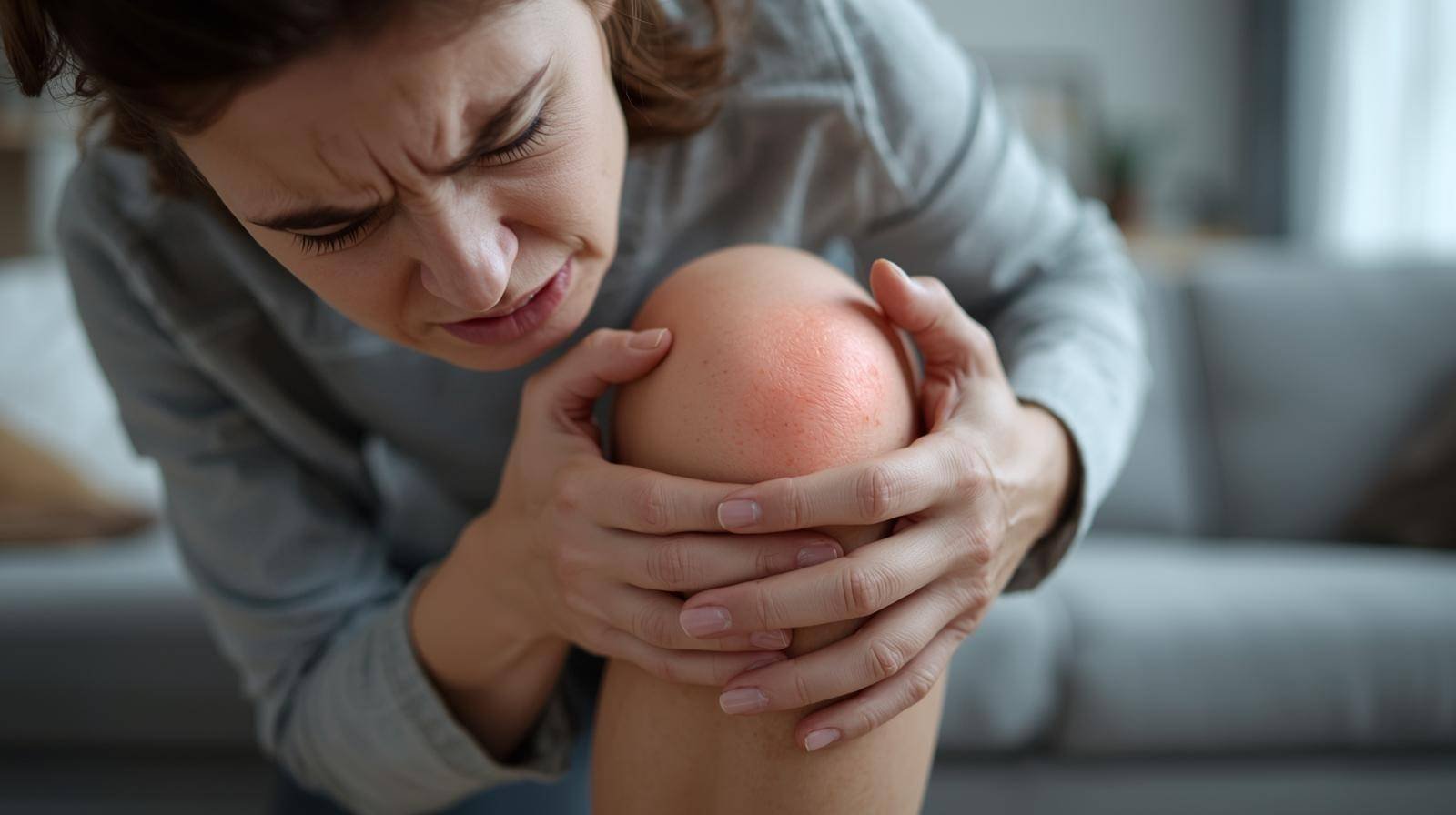
You’re going about your day when, suddenly, you self-talk, “the side of my knee hurts.” At first, it’s just a twinge, but soon climbing stairs, getting up from a chair, or even walking feels uncomfortable. It’s easy to brush it off as something minor, but untreated knee pain can linger, limit your movement, and even lead to more serious problems down the line.
Ignoring it doesn’t make it go away; it often makes it worse. What starts as stiffness or soreness can grow into swelling, instability, or sharp pain that disrupts sleep and keeps you from enjoying daily activities.
The good news? With the right care and guidance from a knee pain specialist, most causes of pain along the side of the knee are treatable, and you can get back to moving freely again.
Common Causes of Pain on the Side of the Knee
Knee pain can come from different structures, muscles, ligaments, tendons, or the joint itself. Understanding the root cause is the first step toward lasting relief. Some common reasons of the common complain “the side of my knee hurts” include:
1. Iliotibial (IT) Band Syndrome: This is a common overuse injury, especially for runners and cyclists. The IT band, a thick strip of tissue running from the hip to the shin, can become tight and inflamed, rubbing against the outside of the knee and causing sharp pain.
2. Meniscus Tears: The meniscus is cartilage that cushions the knee joint. Tears often occur after twisting injuries or sports activities. Pain is usually felt along the inside or outside edge of the knee, sometimes with locking or catching.
3. Ligament Injuries: The lateral collateral ligament (LCL) on the outer knee, the medial collateral ligament (MCL) on the inner knee, or the anterior cruciate ligament (ACL) on the center of the knee can be sprained or torn from sudden impacts or awkward movements, leading to pain, swelling, and instability.
4. Arthritis: Osteoarthritis and other forms of arthritis can wear down cartilage, leading to joint stiffness and pain on either side of the knee. This is more common with age, but it can affect younger adults, too.
5. Tendonitis: Overuse or repetitive stress can irritate tendons around the knee, causing pain, swelling, and tenderness on the side of the joint.
When to See a Knee Pain Specialist
Minor aches often improve with rest, but if pain persists or interferes with your daily routine, it’s time to consult a knee pain doctor. If you are searching for a knee pain specialist in NJ, take our word and visit Jersey Joint, Spine & Regen. These expert practitioners will perform imaging tests, physical exams, and targeted assessments to pinpoint the exact cause of your pain. You should seek professional care if:
- The pain lasts longer than two weeks
- You notice swelling, bruising, or warmth around the knee
- The knee feels unstable or gives way while walking
- Pain worsens during exercise or stair climbing
- You experience locking, clicking, or limited motion
Treatment Options
Treatment depends on the diagnosis, but most side knee pain can be managed without major surgery. Common approaches include:
Conservative Care
- Rest and activity modification
- Ice and compression for swelling
- Physical therapy to strengthen supporting muscles
- Stretching to relieve IT band or tendon tightness
Medical Interventions
- Anti-inflammatory medications for pain relief
- Corticosteroid or platelet-rich plasma (PRP) injections to reduce inflammation and promote healing
- Bracing or taping for added support
Surgical Solutions
In severe cases like meniscus tears or ligament ruptures, minimally invasive arthroscopic surgery may be recommended. A knee pain specialist will only suggest surgery when conservative methods haven’t worked.
Preventing Side Knee Pain
Once pain improves, prevention is key. Here’s how to reduce the chances of recurrence:
- Warm up before workouts and cool down after
- Wear supportive footwear to reduce stress on the knees
- Keep leg, hip, and core muscles strong for better joint stability
- Use proper form when lifting, running, or exercising
- Maintain a healthy weight to reduce joint pressure
Conclusion
“The side of my knee hurts” denotes an inconvenience; it’s your body signaling that something needs attention. Ignoring the problem can make it worse, but with expert help, recovery is possible.
A knee pain specialist at Jersey Joint Spine & Regen helps uncover the true cause, guide you toward the right treatment, and help you prevent future pain. The sooner you seek care, the sooner you can return to moving without limits.