





On any worksite, from construction to landscaping, efficiency is the name of the game. Delays don’t just push back timelines; they inflate costs and can damage your reputation. While many factors contribute to a project’s success, one of the most critical—and often overlooked—is the quality and suitability of your transport equipment. The gear you use to move materials, debris, and tools directly impacts your team’s productivity and your project’s bottom line.
Choosing the right equipment isn’t just about getting the job done. It’s about getting it done smarter, faster, and more safely. Upgrading or optimizing your transport gear can unlock significant gains in worksite output, reduce operational friction, and give you a competitive edge. This guide explores how investing in better transport solutions can transform your operations and boost your overall efficiency.
The True Cost of Inefficient Transport
When transport equipment is mismatched to the task, the consequences ripple across the entire worksite. Using a pickup truck for a job that requires a heavy-duty trailer, for instance, means more trips, more fuel, and more labor hours for the same amount of material. These seemingly small inefficiencies accumulate quickly, leading to significant budget overruns and project delays.
Furthermore, relying on outdated or inadequate gear increases the risk of mechanical failures. A breakdown doesn’t just halt one task; it can cause a domino effect, bringing other dependent operations to a standstill. The cost of an emergency repair or rental often pales in comparison to the lost productivity and the expense of having a crew idle. By proactively investing in reliable and appropriate equipment, you minimize downtime and keep your projects moving forward smoothly.
Key Features to Look for in Transport Gear
When evaluating equipment to maximize your worksite output, several key features should be top of mind. These elements contribute to durability, ease of use, and overall performance.
Durability and Build Quality
Worksite equipment needs to be tough. Look for gear constructed from high-grade materials like heavy-gauge steel, with reinforced frames and robust welding. Axles, suspension, and tires should be rated for heavy loads and rugged terrain. A well-built piece of equipment will withstand the daily demands of a worksite, require fewer repairs, and offer a longer service life, providing a better return on your investment.
Load Capacity and Versatility
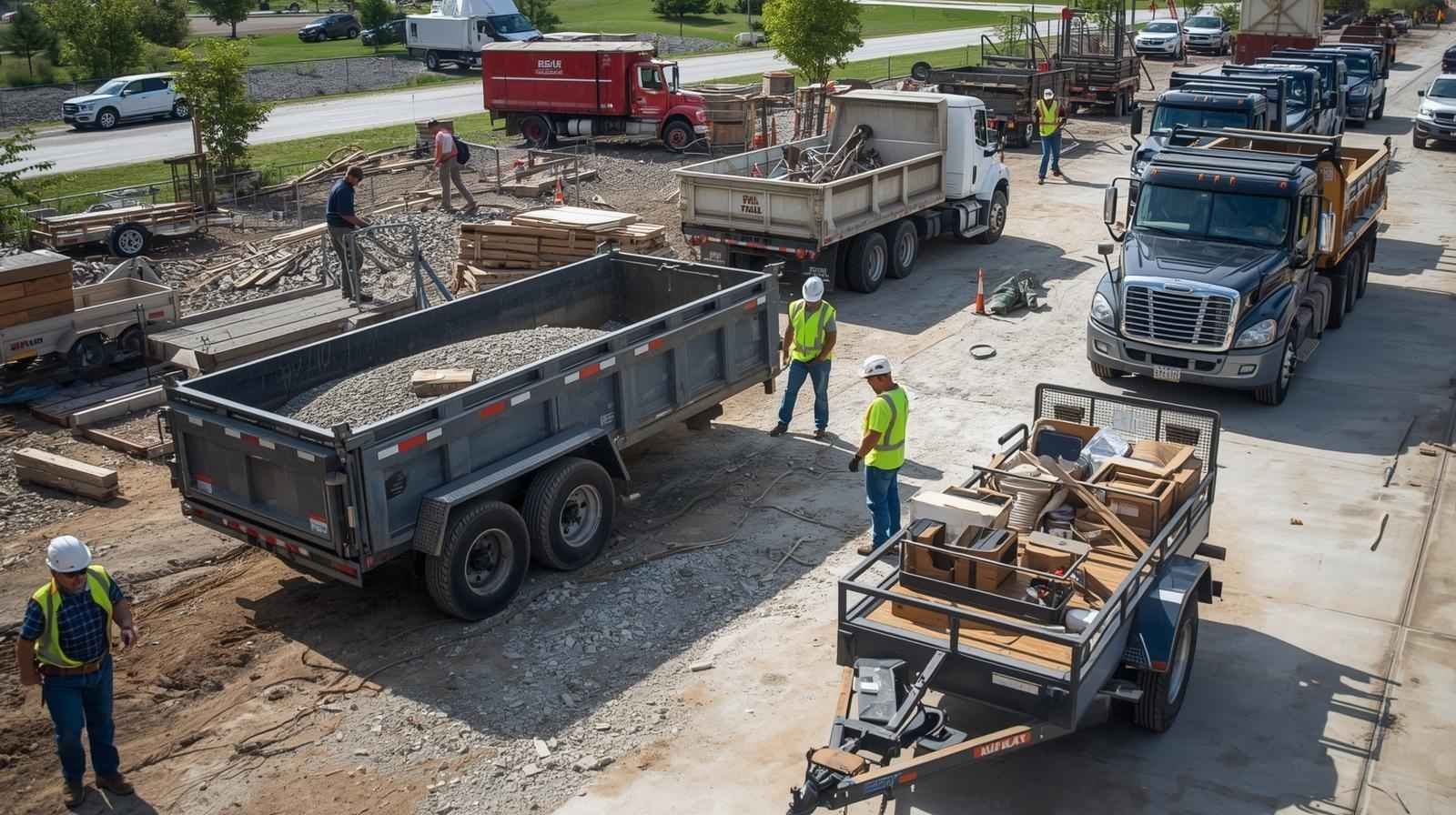
The right capacity is crucial. Equipment that is too small requires extra trips, while oversized gear can be inefficient to operate and difficult to maneuver. Consider the typical weight and volume of materials you handle. Versatile equipment, like trailers with removable sides or multiple tie-down points, can adapt to different types of cargo, making them a valuable asset for diverse projects. For instance, those searching for dump trailers in Utah will find that models with hydraulic lifts drastically reduce unloading times for materials like gravel or soil.
Safety and Ease of Use
Safety is non-negotiable. Modern transport gear should come equipped with reliable braking systems, proper lighting for visibility, and secure locking mechanisms. Features that simplify operation, such as hydraulic lift systems on dump trailers or easy-to-use ramp gates, not only enhance safety but also reduce the physical strain on your crew. When equipment is intuitive and easy to operate, your team can work more efficiently and with greater confidence.
Matching the Equipment to the Job
Maximizing output starts with a simple principle: use the right tool for the job. No single piece of equipment is perfect for every task, so building a versatile fleet is essential for handling the varied demands of your projects.
For small-scale landscaping or residential construction, a durable utility trailer might be sufficient for hauling tools, sod, or light debris. These trailers are typically lightweight and easy to tow with a standard truck.
For larger construction projects involving heavy materials like stone, sand, or demolition waste, a heavy-duty dump trailer is indispensable. The ability to quickly unload loose materials with a hydraulic system can save countless hours of manual labor. Similarly, transporting heavy machinery like skid steers or mini excavators requires a specialized equipment trailer with a low deck height and sturdy ramps for safe loading and unloading. By carefully assessing the needs of each job, you can deploy your resources effectively and avoid the bottlenecks caused by using the wrong gear.
A Smarter Way to Work
Investing in better transport gear is not an expense; it’s a strategic move to enhance your worksite’s productivity and profitability. By choosing durable, versatile, and safe equipment tailored to your specific needs, you can minimize downtime, reduce labor costs, and complete projects more efficiently. Take the time to evaluate your current fleet and identify opportunities for improvement. The right equipment won’t just help you get the job done—it will help you do it better.