






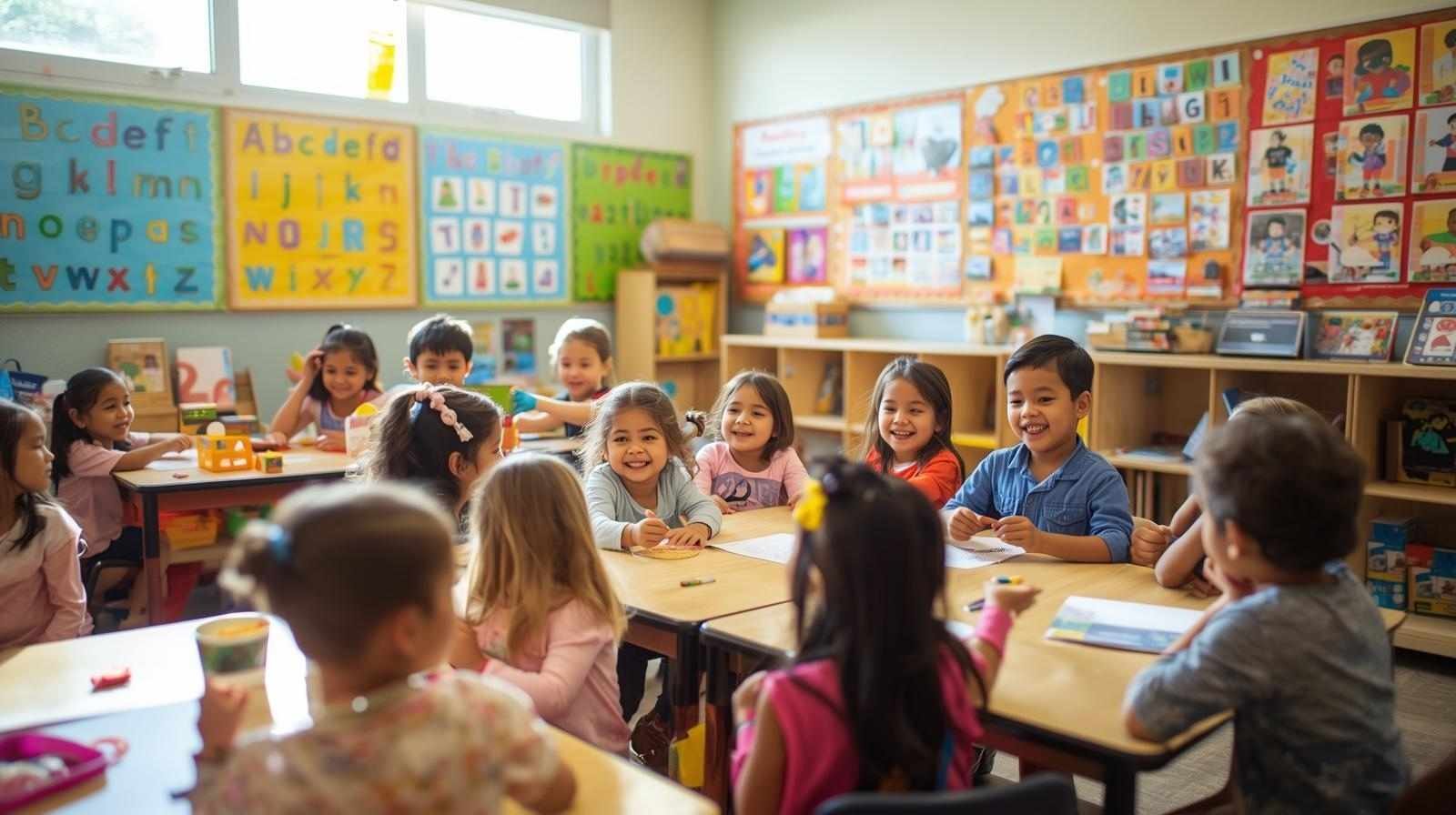
In today’s increasingly connected world, the ability to speak more than one language is more than just a neat skill—it’s a powerful advantage. Parents and educators alike are discovering that children who grow up learning multiple languages often experience unique cognitive, social, and cultural benefits. If you’ve ever wondered whether introducing a second language to your child is worth it, the answer is a resounding yes. Let’s explore the surprising benefits of raising multilingual kids and how programs like Spanish immersion preschools in San Antonio are making it easier than ever to get started.
1. Enhanced Cognitive Development
One of the most well-documented benefits of multilingualism is its impact on cognitive development. Learning multiple languages strengthens the brain’s executive functions, which include problem-solving, task-switching, and memory. Multilingual children often outperform their monolingual peers in activities that require attention control, mental flexibility, and creativity. For instance, switching between languages exercises the brain in ways that improve overall mental agility, making these children adept at thinking on their feet.
Furthermore, studies have shown that multilingual kids develop better metalinguistic awareness—that is, an understanding of how language works. This awareness not only improves their grasp of grammar and vocabulary across languages but also strengthens their reading and writing skills in general.
2. Academic Advantages
Multilingual children often show advantages in academic performance. The cognitive benefits of language learning translate into stronger problem-solving abilities, improved concentration, and better memory—all of which are essential for success in school. Research also suggests that students who learn a second language at an early age perform better in standardized tests, particularly in reading comprehension and math.
Additionally, learning multiple languages can make it easier to acquire new languages later in life. Children who grow up in multilingual environments are more attuned to patterns in language and sound, giving them a head start if they choose to learn a third or fourth language in the future.
3. Cultural Awareness and Empathy
Language is more than words—it’s a gateway to understanding culture. Multilingual children gain exposure to diverse traditions, perspectives, and ways of thinking. This exposure helps foster empathy, adaptability, and open-mindedness from a young age. Children who understand multiple cultures are more likely to appreciate diversity, navigate different social situations with ease, and develop a global mindset.
Programs such as Spanish immersion preschools in San Antonio exemplify this benefit. By learning Spanish through play, songs, and daily interactions, children are not only developing a second language but also gaining insight into Hispanic cultures and traditions. These experiences create a natural curiosity and respect for other cultures that can last a lifetime.
4. Social and Communication Skills
Multilingual children often demonstrate strong social and communication skills. Being able to switch between languages allows them to connect with a wider range of people and adapt to various social contexts. These kids tend to be better listeners, more empathetic communicators, and more skilled at interpreting nonverbal cues, which are vital components of effective communication.
Moreover, multilingual children frequently gain confidence as they successfully navigate language challenges. This confidence often spills over into other areas of their lives, from classroom participation to making new friends in diverse environments.
5. Long-Term Career and Life Benefits
While the immediate cognitive, academic, and social benefits of multilingualism are impressive, the advantages extend well into adulthood. Adults who speak multiple languages have access to a broader range of career opportunities, often commanding higher salaries in fields like international business, diplomacy, education, and healthcare. Beyond career prospects, multilingualism also enhances travel experiences, strengthens personal relationships across cultures, and contributes to lifelong learning and adaptability.
In Conclusion
Raising a multilingual child offers far-reaching benefits that extend beyond the ability to communicate in more than one language. From enhanced cognitive skills and academic advantages to improved social abilities and cultural awareness, the advantages of multilingualism are clear. Parents seeking to give their children a strong foundation in language and learning can start early by exploring immersive programs like Spanish immersion preschools in San Antonio.
In a world where global connections are more important than ever, raising a polyglot is not just a gift—it’s an investment in a child’s future, opening doors to endless opportunities and a lifetime of growth.