





Robotic welding has become a preferred solution for many industrial operations because it improves consistency, productivity, and safety. However, automated welding does not eliminate the environmental and health risks associated with welding fumes. In fact, the concentrated and repetitive nature of robotic processes can increase the volume of airborne contaminants. This makes proper ventilation essential early in the planning stage, which is why many facilities prioritize robotic welding fume extraction for maintaining a controlled workspace. Before choosing a system, it helps to understand why robotics creates unique challenges and how specialized extraction solutions protect both employees and equipment.
Why Specialized Extraction Systems Are Necessary
Standard ventilation solutions typically address general air quality, but robotic welding cells need targeted systems designed for source capture. The goal is to remove fumes at the moment they are produced to prevent them from spreading throughout the workspace.
Specialized extraction units are built to withstand constant high heat exposure and operate flawlessly alongside automated machinery.
These systems also integrate seamlessly with robotics. They can be synchronized with the welding cycle to optimize airflow and energy use. In addition, they must be engineered to fit the unique movement patterns of robotic arms without obstructing operations. This level of precision ensures continuous protection even as welding intensity changes throughout the day.
Why Robotic Welding Produces Higher Fume Levels
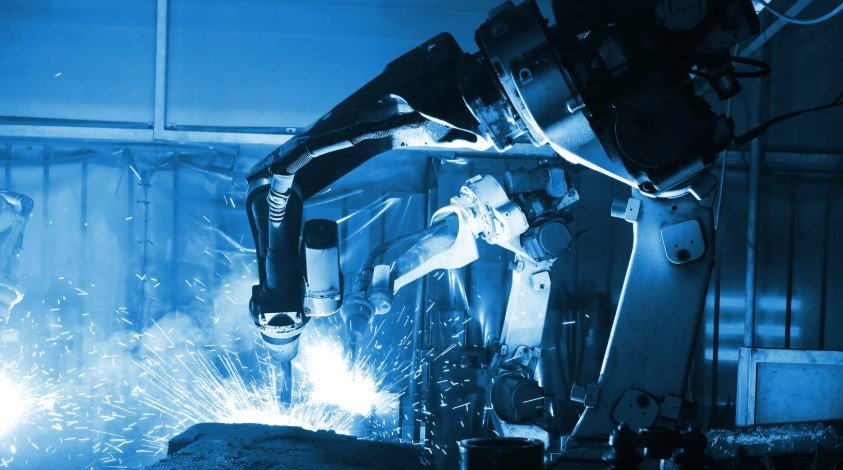
Robotic welding systems operate continuously and at high speeds.
This consistency results in a steady generation of fumes, including fine metal particles and gases that become airborne quickly. Unlike manual welding, where the operator may naturally adjust distance or technique, robotic equipment follows strict programmed motions, which can concentrate fumes in specific zones.
Another factor is enclosure size. Robotic welding is often completed within smaller booths or cells to contain sparks, but this confinement allows fumes to accumulate faster if proper ventilation is not installed. For complete control, facilities often incorporate advanced methods such as welding smoke filtration to ensure impurities are efficiently separated from the air before recirculation.
What Facilities Gain From Proper Robotic Fume Extraction
When specialized extraction is installed correctly, industrial facilities often see immediate improvements. Employees enjoy cleaner air and reduced exposure to hazardous contaminants, which supports compliance with safety regulations.
Maintaining a healthy environment contributes to workforce satisfaction and minimizes potential downtime from health-related concerns.
Equipment also benefits significantly. Weld fumes settle on surfaces and sensitive components, leading to premature wear and mechanical failures if not managed properly. With efficient extraction systems, machinery stays cleaner, and production remains consistent long term. A well-designed system also reduces the burden on central ventilation equipment. By capturing fumes at their source, overall filtration demands decrease, and facilities can maintain a more stable indoor environment.
Conclusion
Robotic welding offers enormous advantages for manufacturing, but it introduces specific challenges related to air quality that cannot be ignored. The continuous, precise nature of automated welding makes fumes accumulate quickly, which requires systems designed specifically for source capture and filtration. By integrating reliable extraction, early facilities protect employees, preserve equipment, and create a more efficient and compliant work environment.