






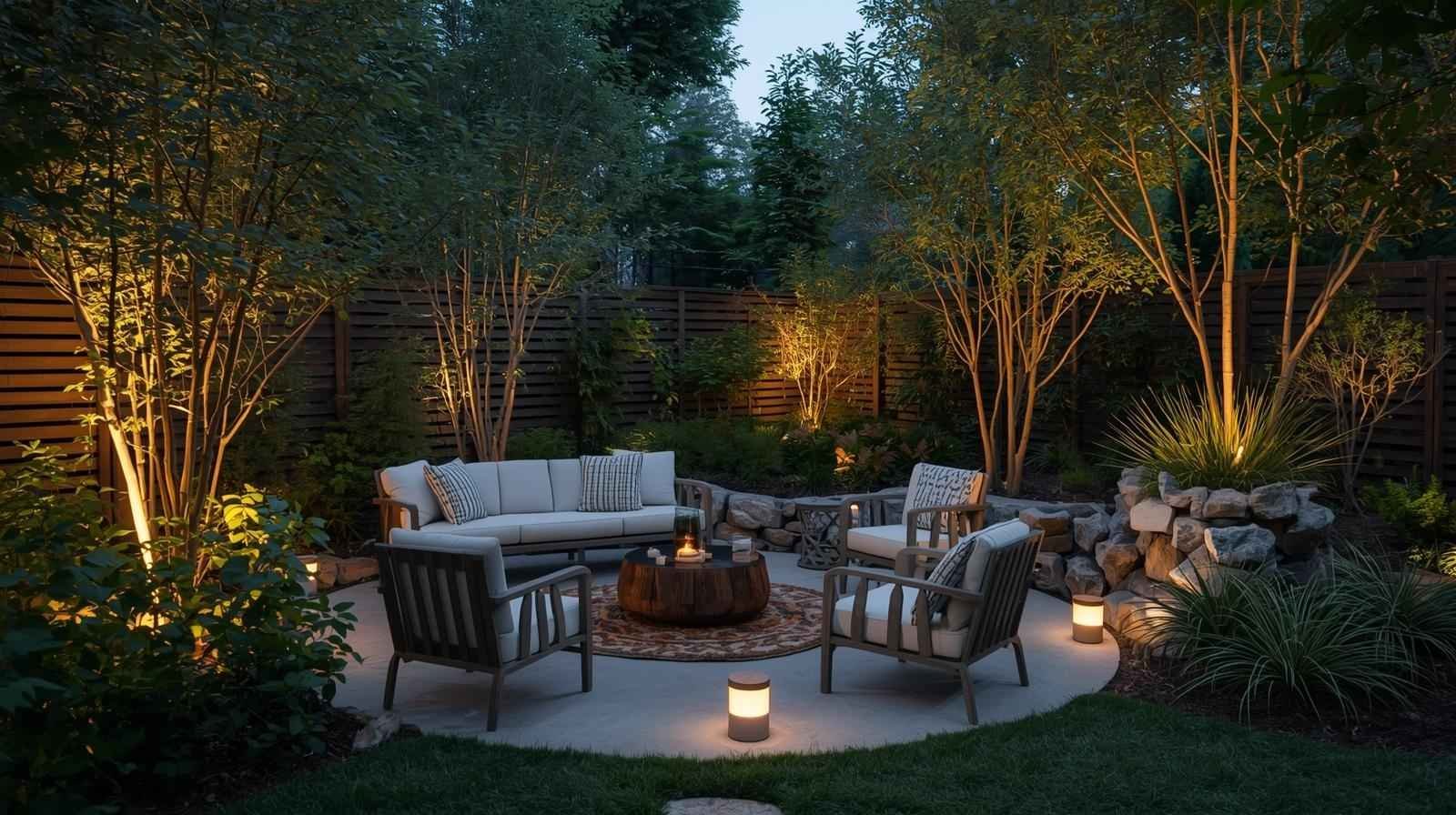
Your backyard can be more than just grass—it can be a sanctuary that extends your healthy, eco-conscious lifestyle. Creating a sustainable outdoor space means making choices that benefit both you and the planet. This approach blends beautiful design with environmental responsibility, resulting in a space that is both restorative and resource-efficient.
Eco-Friendly Materials for Outdoor Furniture
When furnishing your patio or deck, the materials you choose matter. Opting for eco-friendly outdoor furniture is a great first step toward a more sustainable backyard. These materials are not only better for the environment but are often more durable and stylish.
Recycled Plastic
Furniture made from recycled plastic, such as high-density polyethylene (HDPE), is an excellent sustainable choice. This material is crafted from post-consumer waste like milk jugs and detergent bottles, diverting plastic from landfills. Recycled plastic furniture is incredibly durable, resistant to moisture, fading, and insects, and requires very little maintenance. It’s available in a wide range of colors and styles, from classic Adirondack chairs to modern dining sets.
FSC-Certified Wood
If you love the classic look of wood, look for the Forest Stewardship Council (FSC) certification. This label guarantees that the wood comes from a responsibly managed forest that provides environmental, social, and economic benefits. Woods like teak, acacia, and eucalyptus are popular for outdoor furniture due to their natural resistance to rot and decay. With proper care, FSC-certified wood furniture can last for decades, developing a beautiful patina over time.
Bamboo
Bamboo is a highly renewable resource, technically a grass that grows much faster than trees. It has a strength comparable to many hardwoods, making it a durable option for outdoor furniture. When selecting bamboo products, look for those made with non-toxic adhesives and finishes to ensure they are as eco-friendly as possible. Its natural, light-colored appearance can bring a serene, modern feel to any outdoor space.
Creating a Water-Wise Garden
A beautiful garden doesn’t have to consume vast amounts of water. With thoughtful planning, you can create a lush, vibrant landscape that is also water-efficient. This practice, often called xeriscaping, is essential in areas prone to drought but is a smart strategy for any eco-conscious gardener.
Native and Drought-Tolerant Plants
One of the most effective ways to conserve water is by choosing plants that are adapted to your local climate. Native plants have evolved to thrive in your region’s specific soil and rainfall patterns, meaning they require less water, fertilizer, and pest control than non-native species. They also provide vital food and habitat for local wildlife, such as birds and pollinators. Supplement your garden with other drought-tolerant plants like succulents, lavender, and ornamental grasses to add texture and variety while keeping water usage low.
Efficient Irrigation
How you water your garden is just as important as what you plant. Drip irrigation systems and soaker hoses are far more efficient than traditional sprinklers. They deliver water directly to the base of the plants, minimizing evaporation and ensuring that the roots receive the moisture they need. Watering early in the morning or late in the evening also reduces water loss to evaporation. Installing a rain barrel to collect runoff from your roof is another excellent way to source free, non-chlorinated water for your plants.
Mulching
Applying a layer of mulch around your plants is a simple yet powerful technique for conserving soil moisture. Mulch acts as a protective barrier, reducing evaporation, suppressing weed growth, and regulating soil temperature. Organic mulches, like large mulch barks in Salt Lake City, also decompose over time, enriching the soil with valuable nutrients. A two- to three-inch layer is typically sufficient to reap these benefits.
Solar Lighting and Energy Solutions
Lighting can transform your outdoor space, extending its usability into the evening hours. By harnessing the power of the sun, you can illuminate your backyard without increasing your electricity bill or your carbon footprint.
Solar-Powered Lights
Solar lights have come a long way in recent years. Today’s options are brighter, more reliable, and available in a vast array of styles. From string lights that create a festive atmosphere to path lights that ensure safe navigation, there is a solar solution for every need. These lights contain a small photovoltaic panel that charges an internal battery during the day and automatically turns on at dusk. They are easy to install, require no wiring, and are a cost-effective way to add ambiance and security to your outdoor space.
Solar-Powered Fountains and Features
The gentle sound of flowing water can add a sense of tranquility to any garden. Solar-powered fountains and water features offer this calming effect without the need for an electrical outlet. A small solar panel powers a pump that circulates the water, creating a self-sustaining and energy-efficient focal point. These features are easy to set up and can be placed anywhere in your yard that receives adequate sunlight.
Healthy Outdoor Activities and Relaxation
A sustainable outdoor space is not just about eco-friendly materials and resource conservation; it’s also about creating an environment that promotes your health and well-being. Your backyard can be a private retreat for relaxation, exercise, and connection.
Create a Relaxation Zone
Designate a specific area of your yard for unwinding. This could be a comfortable lounge chair under a shady tree, a hammock strung between two posts, or a quiet corner with a yoga mat. Surrounding yourself with nature has been shown to reduce stress, lower blood pressure, and improve mood. Adding elements like a small water feature or wind chimes can enhance the calming atmosphere.
Outdoor Exercise and Recreation
Your outdoor space is the perfect venue for physical activity. Set up a badminton net, practice yoga on the lawn, or simply use the open space for bodyweight exercises. Gardening itself is a fantastic form of moderate exercise that engages various muscle groups and connects you with the earth. Creating spaces for activity encourages a healthier lifestyle for the whole family.
Grow Your Own Food
Cultivating a small vegetable or herb garden is a rewarding way to engage with your outdoor space. Growing your own food reduces your reliance on produce that may have traveled long distances, cutting down on “food miles.” It also gives you complete control over what goes into your soil, allowing you to avoid synthetic pesticides and fertilizers. Even a few pots on a patio can provide you with fresh, healthy ingredients for your meals.
Conclusion
Building a sustainable and healthy outdoor living area is an investment that pays dividends for years to come. By making conscious choices about materials, water use, and energy, you create a space that is not only beautiful and functional but also aligned with your values. Your backyard becomes a testament to the idea that a healthy lifestyle and environmental stewardship can go hand in hand, offering a personal sanctuary that nurtures both you and the planet.