





Introduction
Let’s be honest — when we think of Roman emperors, we usually picture Julius Caesar, Augustus, or maybe Nero burning things down. But tucked away in the dusty corners of history lies a name few people recognize — Hostilien. His story isn’t filled with grand conquests or golden triumphs. Instead, it’s a gripping, heart-wrenching tale of power, politics, and a tragic fall that almost reads like the script of a historical drama.
Imagine being born into a world of chaos, where emperors rose and fell faster than you could carve their faces on a coin. That’s the Rome Hostilien inherited — a place where loyalty was fleeting, and death lurked around every marble pillar. His life was short, but oh, was it telling. In his brief reign, Hostilien became a symbol of Rome’s crumbling stability, a young ruler caught between loyalty and survival.
Who Was Hostilien? The Man Behind the Forgotten Name
So who exactly was Hostilien?
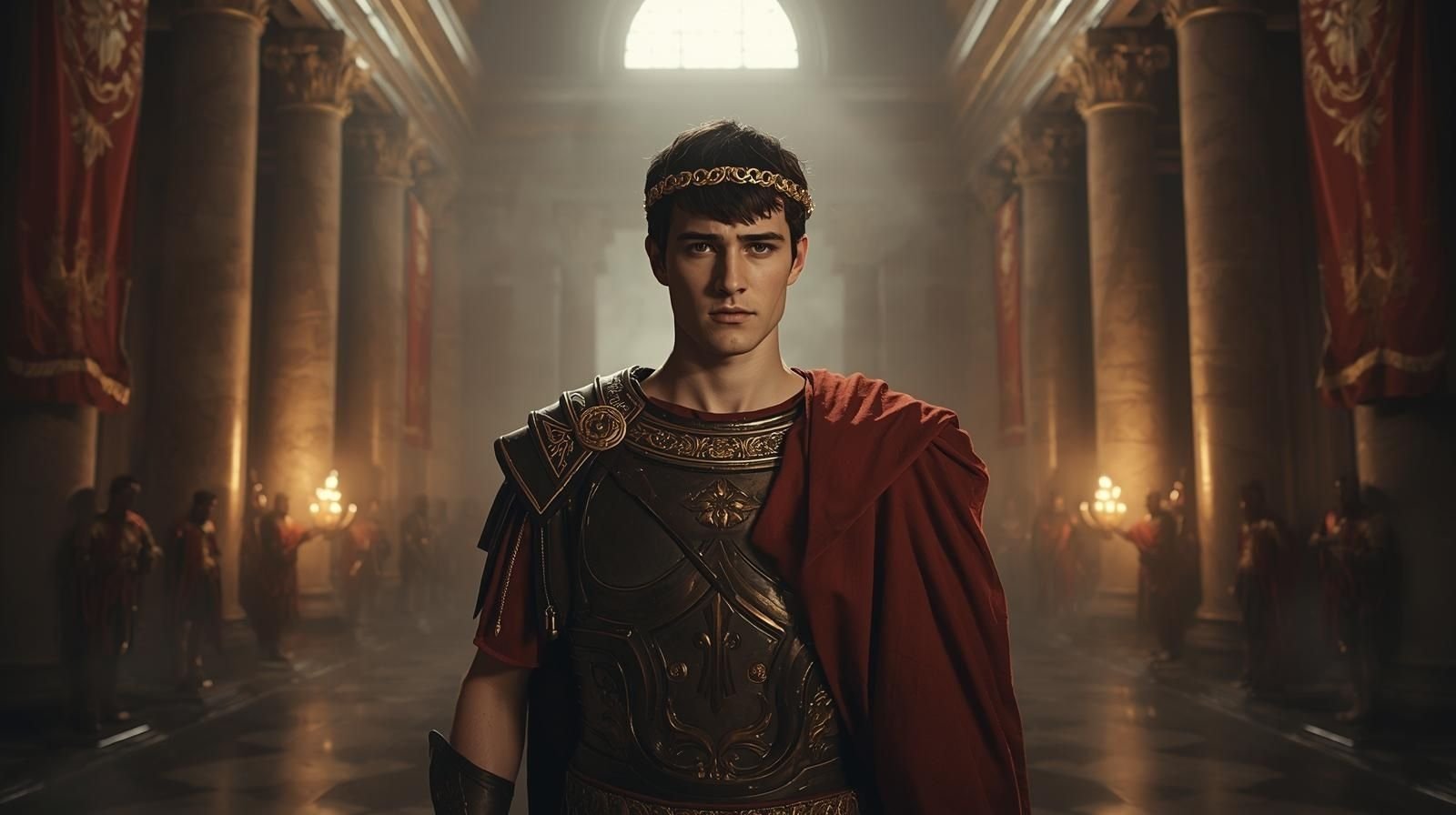
Born Hostilius (Gaius Valens Hostilianus Messius Quintus), he was the son of Emperor Decius, one of Rome’s more ambitious rulers. Decius had big dreams — he wanted to restore Rome’s lost glory, rebuild discipline, and reclaim traditional values. Unfortunately, fate and a rather persistent group called the Goths had other plans.
When Decius died in battle (dragged into a swamp by his horse, no less), the empire was in shambles. His sons, including Hostilien, were left trying to pick up the pieces. But here’s the kicker — Hostilien was barely old enough to rule, and his position was as fragile as a Roman amphora in a tavern brawl.
While his father’s death made him emperor in name, the reality was far from regal. The Roman Empire at the time was split, chaotic, and constantly threatened by invasions and disease. That’s the world Hostilien stepped into — one where every ally could be a traitor and every victory came with a dagger hidden behind the back.
The Political Storm: Rome in the Mid-Third Century
If there was ever a time not to be emperor, it was the mid-third century.
Rome was going through what historians now call “The Crisis of the Third Century” — an era of relentless chaos. Emperors came and went faster than you could update the imperial coinage. The empire faced barbarian invasions, economic collapse, and civil wars all at once. In short, it was a mess.
Hostilien’s reign was short — painfully short. He ruled alongside Trebonianus Gallus, who became emperor after Decius’s death. The two were supposed to rule jointly, but as with most power-sharing deals in Roman history, it didn’t end well.
In a move that could only happen in ancient Rome, Hostilien mysteriously died soon after becoming co-emperor. The official cause? Plague. But if you ask any historian (or a slightly skeptical blogger like me), that explanation sounds a little too convenient.
Was It Really the Plague? The Mystery of Hostilien’s Death
Let’s dig deeper into this “plague” thing.
The mid-third century did indeed see waves of pandemics, known as the Plague of Cyprian. It ravaged the empire, killing thousands daily, and didn’t discriminate — peasants, soldiers, senators, even emperors fell victim. So yes, it’s possible Hostilian succumbed to it.
But — and it’s a big but — this was also an age of conspiracies and political murders disguised as “natural causes.” Trebonianus Gallus, the co-emperor, conveniently survived. His position was strengthened after Hostilien’s death, which certainly raises eyebrows.
Did Gallus have something to gain? Absolutely. Did he arrange Hostilien’s “illness”? We’ll never know. But in a Rome where power meant life or death, it wouldn’t be the first time an emperor’s end came with a whisper instead of a sword.
Hostilien’s Legacy: A Life Too Short for Glory
You might be wondering — if his reign was so short, why does Hostilien matter?
Well, that’s the beauty of his story. Hostilien represents the fragility of Roman power, the fleeting nature of glory, and the deep cracks in an empire that once thought itself invincible. His rule, though brief, was part of a much bigger narrative — the slow unraveling of Rome’s imperial machine.
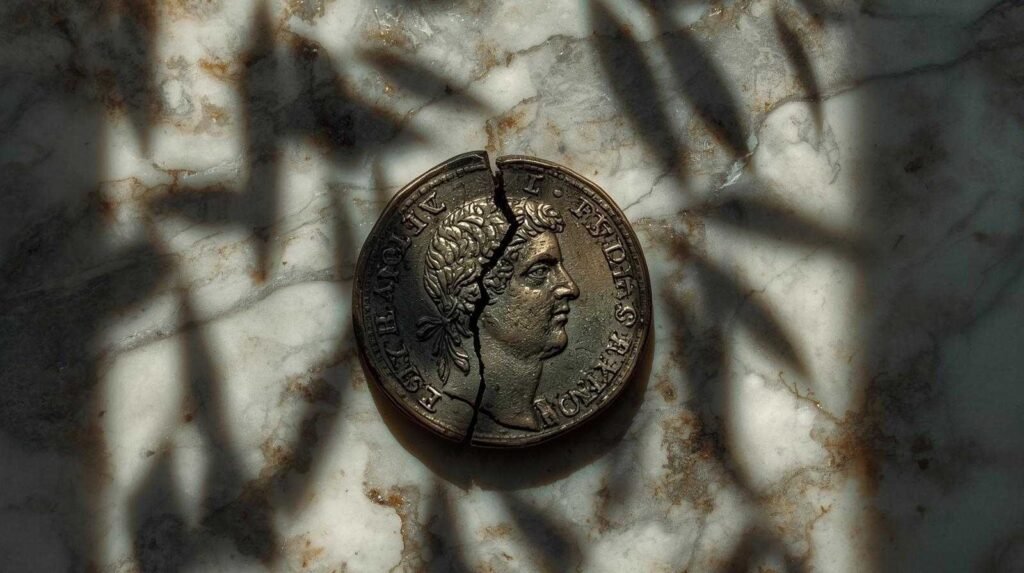
Hostilien’s coins, rare and valuable today, show his youthful face — idealized, serene, almost naïve. They serve as tiny metal witnesses to a time when even emperors weren’t safe from chaos. His death marked yet another chapter in Rome’s slow descent toward fragmentation, civil strife, and eventual transformation.
Also read: Uncovering the Sacred Legacy of the Snake Clan
The Roman Empire Then vs. Now — A Quick Comparison
Here’s a look at how Hostilien’s Rome compared to modern times — because sometimes, history isn’t that different after all.
| Aspect | Hostilien’s Rome (251 AD) | Modern World (Today) |
|---|---|---|
| Political Stability | Constant power struggles; emperors changed yearly. | Frequent political polarization and leadership crises. |
| Public Health | Plague of Cyprian devastated cities and armies. | Global pandemics like COVID-19 reshaped societies. |
| Economy | Inflation, coin debasement, and collapsing trade. | Inflation, digital currencies, and shifting global trade. |
| Communication | Word of mouth, messengers, and decrees. | Instant social media, digital communication, and AI. |
| Empire’s Image | Rome saw itself as eternal and divine. | Modern nations still chase global influence and dominance. |
History doesn’t repeat itself, but as Mark Twain once said — it sure does rhyme.
Why Historians Still Talk About Hostilien
Here’s the twist — even though Hostilien’s reign lasted mere months, historians and numismatists (coin experts) still find him fascinating. Why? Because he represents the “lost emperors” of Rome — those who ruled briefly, yet left just enough trace to keep us guessing.
Coins, inscriptions, and fragmented records are all that remain, but they tell us enough. They reveal a young man, likely manipulated by older, more experienced politicians, trying to hold onto power he never truly possessed.
In a way, Hostilien’s tragedy is universal — the story of a person born into power but swallowed by forces beyond his control. Whether you’re a history buff or just someone who loves a good underdog story, his life hits a surprisingly emotional note.
The Human Side of Hostilien: What Might He Have Felt?
Now, let’s pause the history lesson and imagine the man behind the marble bust.
Hostilien wasn’t some mythical figure carved in stone — he was real. He probably worried, laughed, hoped, and feared just like anyone else. Imagine being barely in your twenties, thrust into the throne room of the world’s most powerful empire, while knowing every smile in court might hide a knife.
He might’ve dreamt of restoring Rome like his father did. Maybe he wanted to be remembered, to prove he wasn’t just Decius’s son. Instead, history gave him only a footnote — and yet, that footnote still whispers through time.
What We Can Learn from Hostilien’s Story
At its core, the story of Hostilien is about impermanence. Power doesn’t last forever, fame fades fast, and even empires crumble. But there’s also beauty in that — in remembering the forgotten, in giving voice to those history left behind.
For entrepreneurs, leaders, or even everyday dreamers, there’s a lesson here: legacy isn’t about how long you reign; it’s about what you stand for while you do. Hostilien’s life, though short, reminds us that character and resilience matter just as much as success.
Conclusion
Hostilien’s story is tragic, yes, but it’s also oddly poetic. He may have been just another casualty of Rome’s endless power struggles, but his memory endures — not because of what he did, but because of what he represents. The fragility of greatness. The humanity behind the crown.
In the grand theater of Roman history, Hostilien’s act was brief, but it was real. He stood on the world’s grandest stage, for however short a time, and that’s something worth remembering.
Let’s face it — most of us won’t rule empires, but we all face our own battles against time, chaos, and the unknown. Hostilien’s life might’ve ended young, but his story? It still echoes through the ruins of Rome.
FAQs
1. Who was Hostilien?
Hostilien, or Gaius Valens Hostilianus Messius Quintus, was a short-reigned Roman emperor and son of Emperor Decius, ruling briefly around 251 AD.
2. How did Hostilien die?
Officially, he died of the plague during a pandemic in Rome. However, some theories suggest political assassination.
3. Why is He considered a “forgotten emperor”?
His reign was extremely short and poorly documented, overshadowed by stronger rulers and Rome’s internal crises.
4. What was significant about his rule?
His co-reign with Trebonianus Gallus highlighted Rome’s political instability and set the stage for future imperial chaos.
5. Where can I find artifacts or coins from his emperor?
Museums like the British Museum and private collections often display Hostilien coins, which are rare and valuable among collectors.
Thanks for visit Techywil