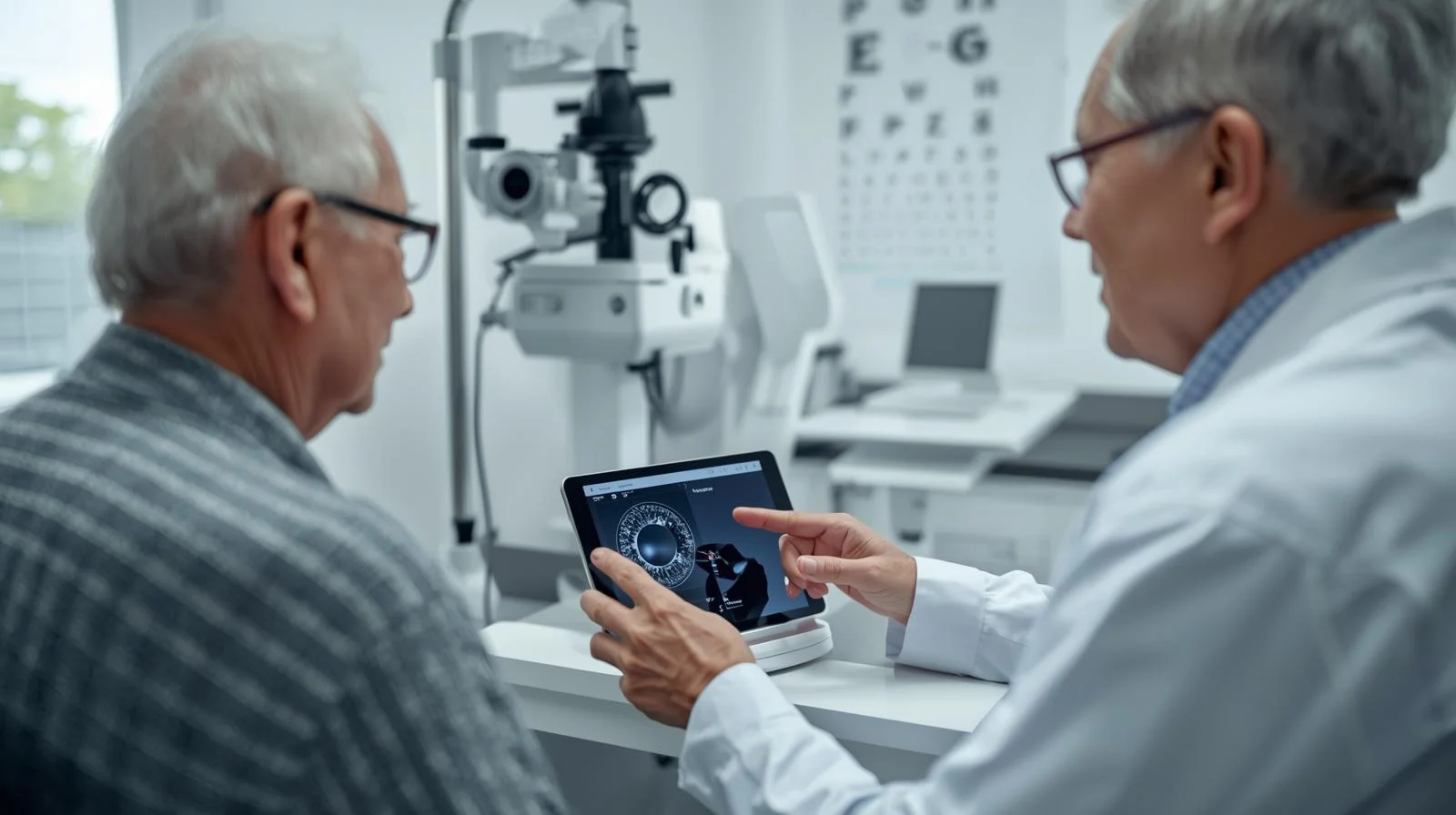







Building and maintaining a successful orthodontic practice requires more than just clinical expertise. It demands a careful selection of tools and technologies that enhance precision, improve patient comfort, and streamline workflow. For both new and established orthodontists, equipping a practice with the right essentials is fundamental to delivering exceptional care. The landscape of orthodontics is constantly evolving, blending traditional, trusted instruments with cutting-edge digital solutions.
A modern practice stands on two pillars: foundational clinical instruments and advanced technological systems. Together, they create an environment where complex treatments can be planned and executed with confidence. This guide explores the essential items every orthodontist should have, from the basic hand tools that form the bedrock of daily procedures to the sophisticated technology shaping the future of smile design.
Core Clinical Instruments
Before diving into digital advancements, it is crucial to recognize the importance of high-quality traditional tools. These instruments are the workhorses of any orthodontic office, used in nearly every patient interaction.
Diagnostic Essentials
Accurate diagnosis is the starting point for every successful treatment plan. A standard diagnostic kit should include essentials like mirrors, probes, and explorers to perform thorough initial examinations. High-quality pliers and cutters are also non-negotiable. Instruments such as distal end cutters, ligature cutters, and various utility pliers are used daily for adjusting wires, placing brackets, and making chairside modifications. Investing in durable, ergonomic instruments reduces hand fatigue and increases procedural accuracy.
Bracket and Wire Placement Tools
The precise placement of brackets and archwires is central to achieving desired tooth movement. Specialized tools for this purpose are indispensable. Bracket holders and placement tweezers allow for steady handling and positioning. A bracket height gauge ensures uniformity and accuracy, which is critical for an effective and predictable outcome. Band pushers and pluggers are also necessary for fitting and seating molar bands securely.
Integrating Advanced Technology
While traditional tools are vital, technology has revolutionized the efficiency and precision of orthodontic care. A forward-thinking practice must embrace digital solutions to stay competitive and provide the best possible patient experience.
Digital Imaging and Diagnostics
Modern imaging systems have replaced traditional film X-rays for good reason. Digital radiography, including panoramic and cephalometric imaging, offers superior image quality with significantly lower radiation exposure. Cone-beam computed tomography (CBCT) provides detailed three-dimensional views of a patient’s teeth, jaws, and facial structure. This technology is invaluable for complex cases, such as those involving impacted teeth or surgical orthodontics, as it allows for incredibly detailed planning.
Intraoral Scanning and Digital Models
Bulky, uncomfortable impression trays are quickly becoming a thing of the past. Intraoral scanners capture highly accurate digital impressions of a patient’s dentition in minutes. These scans create detailed 3D models that can be used for treatment planning, appliance fabrication, and progress tracking. This technology not only improves the patient experience but also enhances workflow efficiency. Digital models are easily stored, shared with labs, and used to simulate treatment outcomes. They are also fundamental for modern techniques like indirect bonding orthodontics, where brackets are precisely placed on a digital model before being transferred to the patient’s mouth.
Practice Management and Treatment Planning Software
Sophisticated software is the central nervous system of a modern orthodontic practice. Practice management systems handle scheduling, billing, and patient communication, automating administrative tasks and freeing up staff to focus on patient care.
Beyond administration, specialized software aids in creating detailed treatment plans. These programs can integrate 3D scans and digital images, allowing orthodontists to visualize tooth movement, predict outcomes, and explain the treatment process to patients with clear, compelling visuals. This enhances patient education and improves case acceptance.
A Commitment to Excellence
Equipping an orthodontic practice is an ongoing process of balancing proven methods with innovative solutions. The right combination of foundational instruments and advanced technology empowers specialists to deliver consistent, high-quality results. By investing in these essential tools and systems, an orthodontist not only optimizes their clinical capabilities but also builds a practice prepared for the future of smile creation.