






It is never a convenient time for plumbing problems to arrive at. One moment everything works fine, and the next you are dealing with slow drains, strange smells, or water backing up. When these issues happen, access to sewer line repair https://restorepipe.com/services/trenchless-sewer-repair/ or a trusted drain cleaning service https://restorepipe.com/services/drain-cleaning/ often depends on a small but extremely important part of your plumbing system. Knowing how this access point works can help you act fast, stay calm, and avoid bigger damage.
What Is a Sewer Line Clean Out?
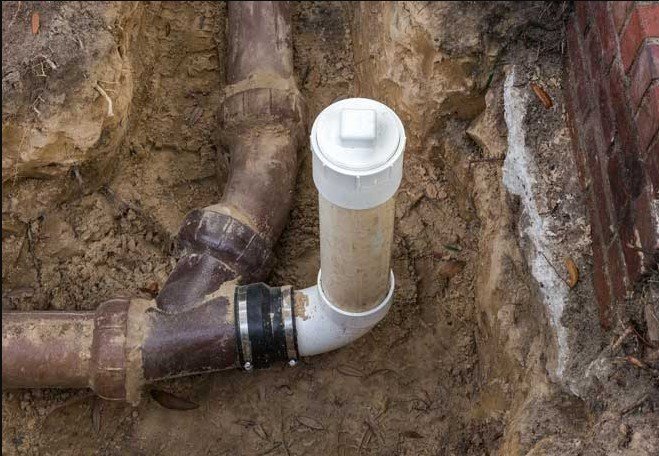
A sewer line clean out is a capped pipe usually found outdoors that connects directly to your main sewer line. The cleanout sits flush with or slightly above the ground and provides a convenient place for plumbers to snake or jet the sewer line.
numerous cleanouts are common in older homes or properties featuring long lateral lines that lead to the city’s sewer main. Others, unfortunately, don’t have one at all, which often leads to higher repair costs and more complicated service calls.
Why Does a Sewer Cleanout Matters?
Your sewer cleanout is not merely a pipe with a cap, but the essential entry point for maintaining your sewer line. It acts as an emergency access point and helps prevent indoor sewage disasters. Without it, plumbers must remove fixtures or dig directly into the yard to reach the line.
Here’s what it allows professionals to do:
- Perform camera inspections
- Remove clogs quickly
- Identify root intrusions
- Check for pipe sagging or corrosion
- Clear grease, scale, and debris buildup
The presence of a sewer cleanout can often determine whether a repair costs a few hundred dollars or several thousand.
How a Cleanout Helps with Modern Sewer Repairs
Today’s advanced plumbing technologies rely heavily on cleanout access. When your sewer line is damaged or blocked, the cleanout is the gateway for evaluation and treatment. If you’re researching options like trenchless sewer line repair Utah, you’ll notice that almost every method begins at the cleanout.
Technologies such as pipe bursting, slip lining, and cured-in-place pipe (CIPP) use the cleanout as the entry and exit point. Homes without a cleanout often require one to be installed before trenchless work begins.
Signs You May Need to Use Cleanout
A sewer line clean out becomes essential when symptoms of a major blockage appear. These include:
- Multiple drains backing up at once
- Sewage pooling outdoors
- Gurgling sounds in toilets
- Bathtubs or showers filling when the toilet is flushed
- Slow drainage throughout the home
If any of these problems show up, the cleanout allows plumbers to quickly diagnose the issue before the situation worsens.
Sewer Cleanout Cost
While installing is straightforward the final cost fluctuates based on factors like pipe depth, material choice and soil conditions.
A typical sewer cleanout cost ranges between $600 and $2,500. If the sewer line is deep or additional excavation is needed, the cost can increase.
However, that investment often pays for itself the very first time you avoid emergency excavation during a clog.
How a Cleanout Fits into Your Entire Sewer System
Your cleanout works together with the rest of your plumbing infrastructure. Understanding the Types of Sewer Systems and your home’s layout helps you see why cleanouts are strategically placed.
Some homes have:
- Single cleanouts near the foundation
- Dual cleanouts at the property line
- Yard cleanouts installed during past repairs
Every cleanout provides access to a different section of the line, helping plumbers diagnose problems more accurately.
Sewer Line Replacement and the Role of the Cleanout
If you detect signs of collapsing, widespread root intrusion or major corrosions within your line then you may need to review sewer pipe replacement cost and trenchless solutions to compare the two. Regardless of the situation the cleanout acts as the primary access point for plumbers to inspect the line, assess damage and select the safest repair option.
Without a cleanout, the first step is usually installing one before work can continue.
How a Sewer Line Clean Out Is Used by Professionals
When a clog or backup occurs, plumbers remove the cap and insert specialized tools directly into the sewer line. This direct access saves time and reduces mess.
A sewer line clean out is especially helpful during emergencies because it gives technicians immediate control over the situation.
Tools Commonly Used
- Mechanical drain snakes
- High pressure water jets
- Sewer inspection cameras
These tools allow the blockage to be cleared while checking the overall health of the pipe.
The Benefits for Homeowners
Having a dedicated access point offers peace of mind even if you never see it used.
Key Advantages
- Faster diagnosis of sewer problems
- Reduced labor and repair costs
- Less disruption inside the home
- Plumbing performance improved
How Often Should You Maintain the Line?
- 1–2 years for older homes
- 2–3 years for newer plumbing
- Annually if you have dense tree roots or clay soil
- Routine maintenance prevents large blockages and extends the life of the system.
Conclusion
While it may look like a simple fitting, a sewer line cleanout plays a major role in the upkeeps of a healthy plumbing system. From speeding up repairs to reducing overall cost it helps prevent messy and expensive backups from occurring. So whether you maintain an old property or consider modern options like trenchless sewer repair, knowing the location of your clean out and keeping it accessible in the long term can save you from hefty plumbing expenses.
FAQs
1. What’s the most effective way to clear a sewer line?
The most effective and safest way is to use high pressure water that is capable of removing roots, grease buildup and stubborn debris. While minor clogs can be battled out with a snake drain it doesn’t clean the pipe as thoroughly.
2. What do professionals do for a sewer cleanout?
First the cleanout cap is removed then a sewer camera inspection takes place to identify and locate the problem. After deciding on the best method forward the plumber performs it and you’re left with zero backups for about years.
3. How often should I clean my sewer line?
Well, while it does ultimately depend on the size of your sewer line, every 1-2 years is a safe bet.