
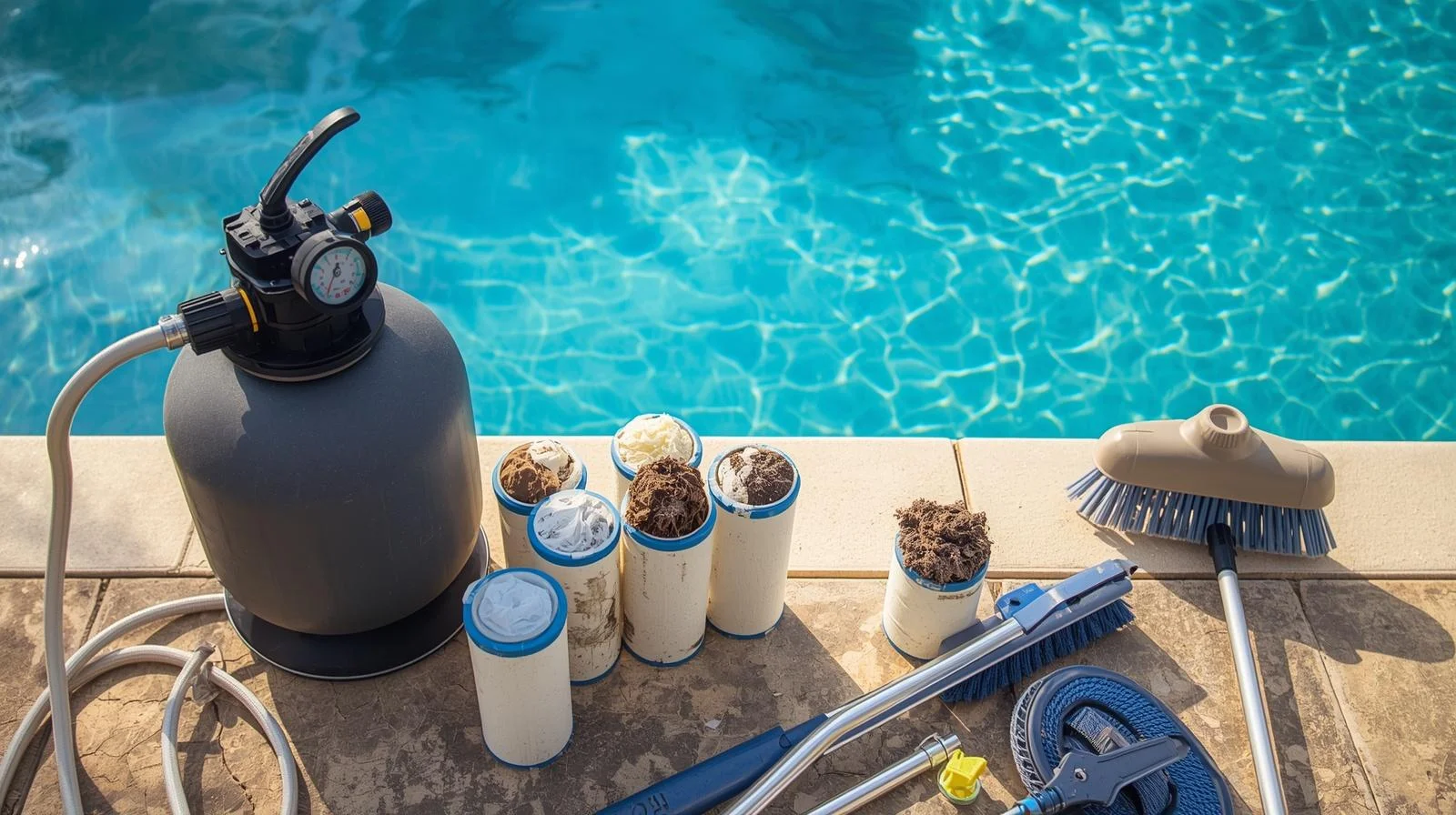
Watching the pressure gauge steadily climb day after day is easily one of the most frustrating parts of backyard water management. You just spent your entire Saturday morning backwashing the system or hosing off heavy cartridges, but by Tuesday, the return jets are barely pushing a trickle of water. It feels like a completely unwinnable battle against dirt.
When your primary filtration system constantly chokes, it is a glaring symptom of a much larger workflow issue. The filter acts as the kidneys of your backyard setup. If it is chronically clogging, it means you are forcing the plumbing to process a massive amount of waste that shouldn’t be reaching it in the first place.
Fixing this frustrating cycle requires looking closely at how debris enters, moves through, and eventually settles in the water. Here are the core reasons your system is failing to keep up with the demand.
1. You Are Forcing the Pump to Vacuum
This is arguably the most common structural mistake owners make. When you hook a manual corrugated hose up to your wall skimmer to clean the floor, every single ounce of dirt gets pulled straight into your primary plumbing. You are essentially using a delicate filtration device as a heavy-duty wet vacuum.
It overwhelms the sand or paper cartridges almost immediately. The main pump was engineered specifically to circulate water and gently distribute chemicals. By forcing it to ingest heavy wet leaves, twigs, and dense sand, you guarantee a rapid, violent spike in internal pressure.
2. Failing to Decentralize the Workload
The most effective strategy for proper pool filter maintenance is to stop the dirt before it ever enters the pipes. Removing heavy debris at the source fundamentally changes the lifespan of your filter media. You have to separate the physical scrubbing from the chemical circulation.
Instead of pushing heavy sediment into your skimmer lines, dropping a robotic pool cleaner into the basin completely isolates the mess. These independent units capture the heavy organic debris and fine silt inside their own internal filter baskets.
Because this dirt never reaches your main equipment pad, your primary filter stays incredibly clean. You can often go months without needing to run a wasteful backwash cycle or pull apart the heavy fiberglass housing for a deep rinse. It is a massive reduction in your weekly workload.
3. Ignoring the Immediate Surface Perimeter
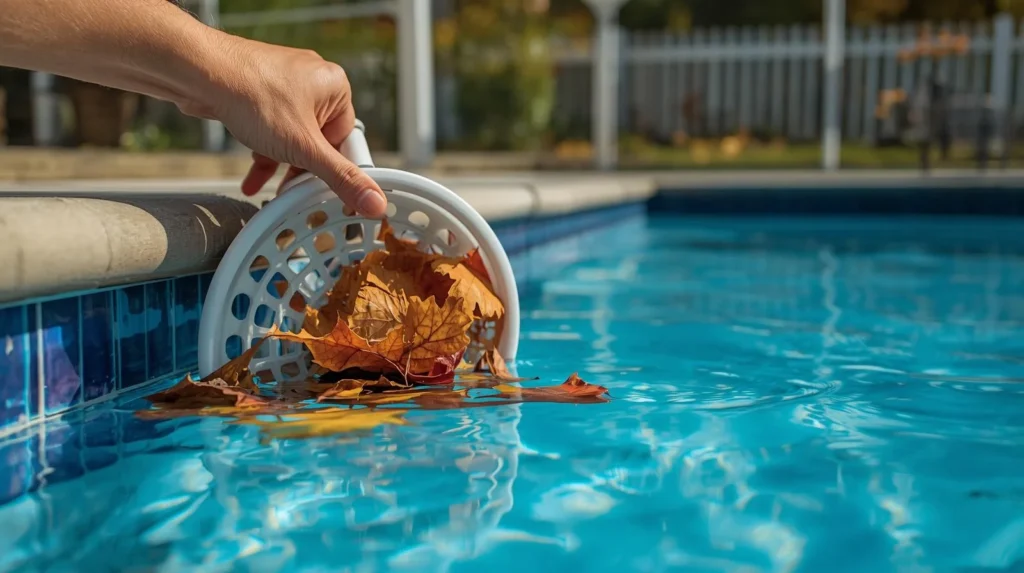
What happens on the surface directly dictates what happens deep inside the plumbing. If your backyard landscaping features plants that aggressively shed small leaves, seeds, or pine needles, your surface skimmers will pack tightly within a matter of hours.
Once those plastic baskets are full, water flow restricts dramatically. The main pump starts starving for water, creating dangerous cavitation in the motor. Worse, the overflow debris eventually becomes waterlogged and sinks to the bottom. It then begins to rot, creating a heavy organic sludge that your system eventually has to digest and filter out.
4. The Hidden Impact of Sunscreen and Oils
Not all clogs are caused by highly visible dirt. In most cases, a rapidly rising pressure gauge during the peak summer months is driven entirely by invisible organic waste. We introduce an incredible amount of contaminants simply by jumping into the water.
Swimmers leave behind heavy body oils, waterproof sunscreen lotions, hair products, and natural cosmetics. These sticky substances easily bypass the plastic skimmer baskets and head straight into your filter media. They act exactly like glue, binding fine silt and sand together into a thick, greasy paste that completely seals off the flow of water.
5. Fighting Invisible Algae Blooms
Proper plumbing upkeep goes hand-in-hand with strict chemical management. If your active chlorine levels dip for even twenty-four hours during a heatwave, microscopic algae spores begin to rapidly multiply. You might not even see the green tint on the walls yet, but the damage is happening.
The filter immediately starts catching millions of these tiny, multiplying spores. Dead algae is thick, slimy, and structurally dense. It will blind a perfectly clean paper cartridge in a matter of hours, forcing the system pressure straight into the red danger zone. If the water looks slightly cloudy and the pressure is high, you are likely fighting a microscopic bloom.
6. Your Filter Media is Functionally Dead
Nothing lasts forever, especially materials subjected to constant high-pressure water flow and highly caustic sanitizers. If you are thoroughly cleaning the filter and it violently clogs again just two days later, the media itself might be structurally compromised and beyond saving.
Silica sand eventually loses its sharp, jagged edges and becomes completely smooth, allowing heavy dirt to channel right past it and back into the basin. Paper cartridges eventually lose the stiff, structural integrity of their pleats. When those soft pleats collapse against each other under pressure, the functional surface area drops to near zero.
7. Operating on Insufficient Run Times
Trying to save a few dollars on the monthly utility bill often backfires spectacularly. If you only run your circulation pump for three or four hours a day, the water remains entirely stagnant for the other twenty hours. Stagnation is the absolute enemy of clarity.
This long downtime allows heavy environmental dust, pollen, and airborne pollution to settle deeply into the pores of the plaster. When the pump finally kicks on the next afternoon, it has to fight a massive, accumulated backlog of suspended debris all at once. Consistent, low-speed circulation is far more efficient than short, aggressive bursts of filtration.
Establishing a Proactive Routine
Breaking the cycle of constant clogs requires shifting your strategy from reactive fixing to proactive prevention. You have to intercept the dirt earlier in the timeline. To keep the pressure gauge sitting nicely at its healthy baseline, focus on a few highly specific adjustments to your weekly workflow:
- Monitor the trap baskets: Empty the skimmer and pump baskets daily during heavy wind events to ensure unrestricted, healthy water flow to the motor.
- Break down the oils: Use a high-quality liquid enzyme treatment weekly to actively digest invisible body oils before they can reach and gum up the filter media.
- Automate the floor sweeping: Use independent hardware so heavy silt and rotting leaves are trapped entirely separately from your main plumbing lines.
- Maintain the chemical baseline: Stick to a strict digital testing schedule to kill microscopic algae spores long before they bloom and overwhelm the circulation system.
Dealing with a struggling filtration system is exhausting. Ripping apart the plumbing every single weekend to hose down sticky, dirty cartridges completely ruins the appeal of having a backyard oasis. By keeping the heavy lifting out of your main pipes and addressing the invisible organic loads, you give your equipment necessary room to breathe. A well-managed system should run quietly in the background, requiring your attention only occasionally, rather than demanding a rigorous, frustrating weekly teardown.