Introduction
Think about your home for a second.
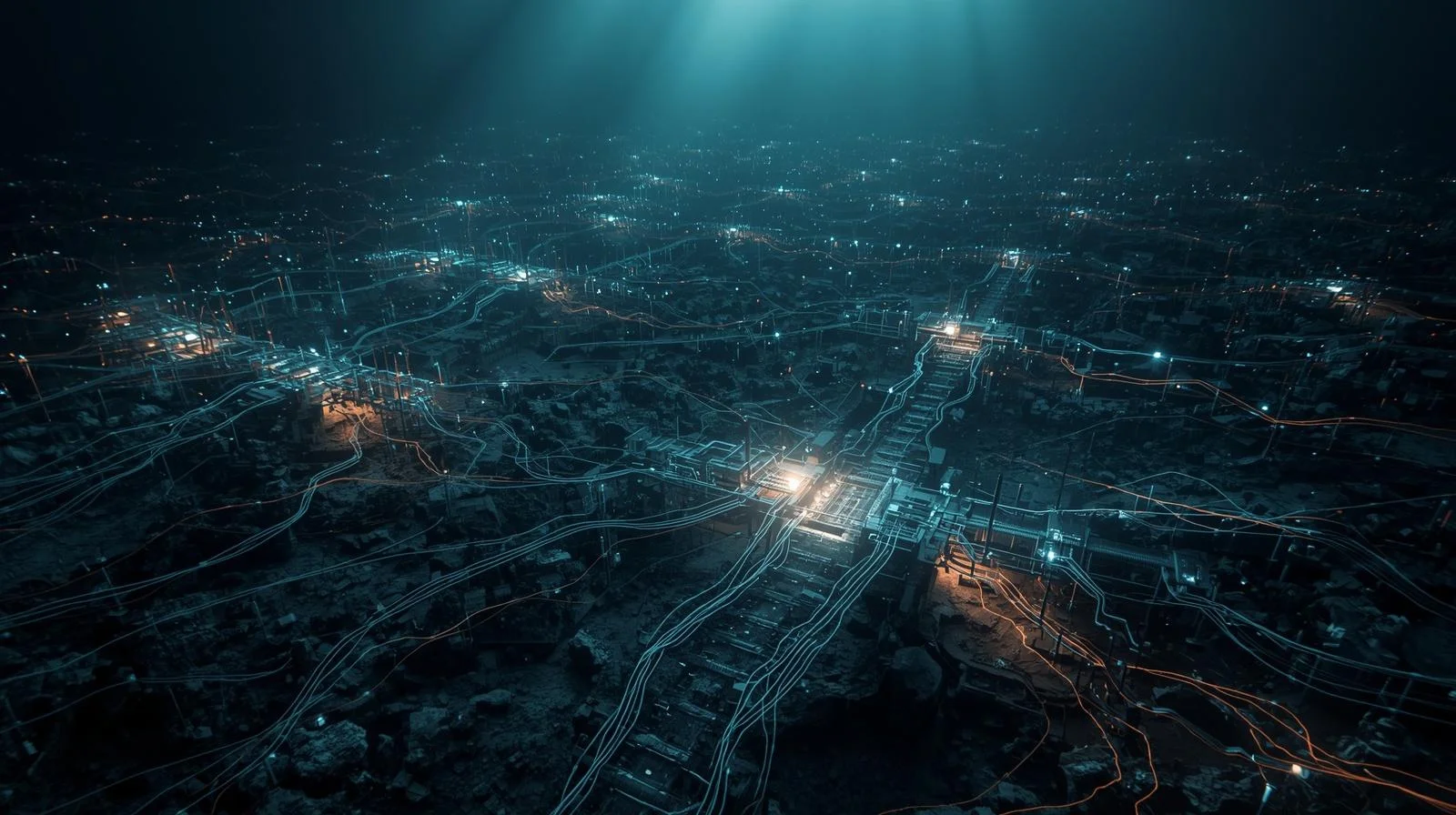
You’ve got multiple rooms, lights, fans, mobile signals, WiFi — everything depends on connections. Now imagine scaling that idea from your house to entire countries. Cities, offshore wind farms, and even continents depend on invisible connections running underground and beneath oceans.
This is where companies like Prysmian Group come into play — building the backbone of modern power and communication systems.
From deep-sea power transmission to high-speed internet cables, advanced cable systems are quietly shaping the future of energy and connectivity.
The Hidden Backbone of Modern Infrastructure
Most people never think about what lies beneath roads or oceans. But underground and submarine cable systems carry:
- Electricity across countries
- Internet data across continents
- Power from offshore wind farms to cities
Without these systems, modern life would simply stop.
How Underground Cable Systems Power Cities
In busy cities, overhead wires are not always practical. Underground cable systems solve this problem by delivering electricity safely and efficiently.
Why Underground Cables Matter
- They reduce visual clutter
- Protect systems from weather damage
- Improve safety in dense areas
These cables are designed to handle extremely high voltage while managing heat and pressure underground.
👉 This is where advanced underground cable solutions become critical for stable energy supply.
Crossing Oceans: The Role of Submarine Cables
Now imagine running electricity or internet cables across oceans.
Sounds impossible? It’s already happening.
Submarine cables are laid deep under the sea, connecting countries and powering offshore projects.
Challenges They Face
- Extreme water pressure
- Saltwater corrosion
- Fishing activity and ship anchors
Despite these challenges, modern engineering allows cables to run for hundreds of kilometers underwater.
👉 This is why submarine cable infrastructure is considered one of the most important innovations in global connectivity.
Renewable Energy and Offshore Power Transmission
Let’s simplify this with a real-life example.
Imagine your house has solar panels, but they’re installed far away in a field. You need a strong wire to bring that electricity home.
Now scale that to offshore wind farms located miles away in the sea.
How It Works
- Wind turbines generate electricity offshore
- Inter-array cables connect turbines
- Export cables bring power to land
These systems ensure renewable energy reaches national grids efficiently.
👉 This is where offshore wind cable systems play a key role in clean energy growth.
High-Voltage Cable Systems: The Real Power Carriers
Not all cables are the same.
High-voltage systems are designed to carry massive amounts of electricity over long distances.
Key Features
- Special insulation to handle electrical stress
- Heat management to avoid damage
- Precision design to reduce energy loss
These systems are used in:
- National power grids
- Cross-border electricity transfer
- Mega infrastructure projects
👉 For this, high-voltage cable systems are essential in large-scale energy transmission.
The Role of Fiber Optic Cables in Communication
Electricity is only half the story.
The internet you’re using right now travels through fiber optic cables.
How Fiber Optics Work (Simple Explanation)
Instead of electricity, they use light signals to transfer data.
That means:
- Faster speed
- Less signal loss
- Better long-distance communication
These cables connect:
- Cities
- Countries
- Even continents under the sea
👉 That’s why fiber optic cable infrastructure is the backbone of digital communication.
Bridging the Digital Divide
Not every area has fast internet.
Rural regions and remote areas often struggle with connectivity.
Modern cable systems are helping fix this.
Impact on Communities
- Better education through online access
- Remote healthcare services
- New business opportunities
It’s like giving every room in your house equal access to electricity and WiFi — no one gets left behind.
Read more: MataRecycler: The Smart Recycling Innovation Transforming Waste Management
What Makes a Reliable Cable Systems Provider?
Choosing the right provider is critical.
It’s not just about cables — it’s about long-term performance.
Important Factors
- International certifications
- Proven project experience
- Strong manufacturing quality
- Reliable installation teams
Even a small mistake can cause huge power or communication failures.
👉 This is why selecting a high-voltage cable provider requires careful evaluation.
Real-World Impact of Advanced Cable Systems
These technologies are not theoretical. They are already being used worldwide.
Examples of Impact
- Powering offshore wind farms
- Connecting countries with electricity
- Enabling global internet networks
- Supporting smart cities
These systems form the invisible network that keeps the world running.
Why This Matters for the Future
Demand for electricity and internet is growing every year.
- More devices
- More renewable energy
- More data usage
This means stronger, smarter cable systems will be needed.
Future innovations will focus on:
- Higher efficiency
- Lower energy loss
- Greater durability
Conclusion
Just like your home depends on wiring to function, the world depends on advanced cable systems to stay connected and powered.
From underground power lines to deep-sea communication networks, these technologies are shaping the future in ways most people never see.
Understanding their role gives you a clearer picture of how modern infrastructure actually works — quietly, efficiently, and continuously.
Thanks for visit Techywil