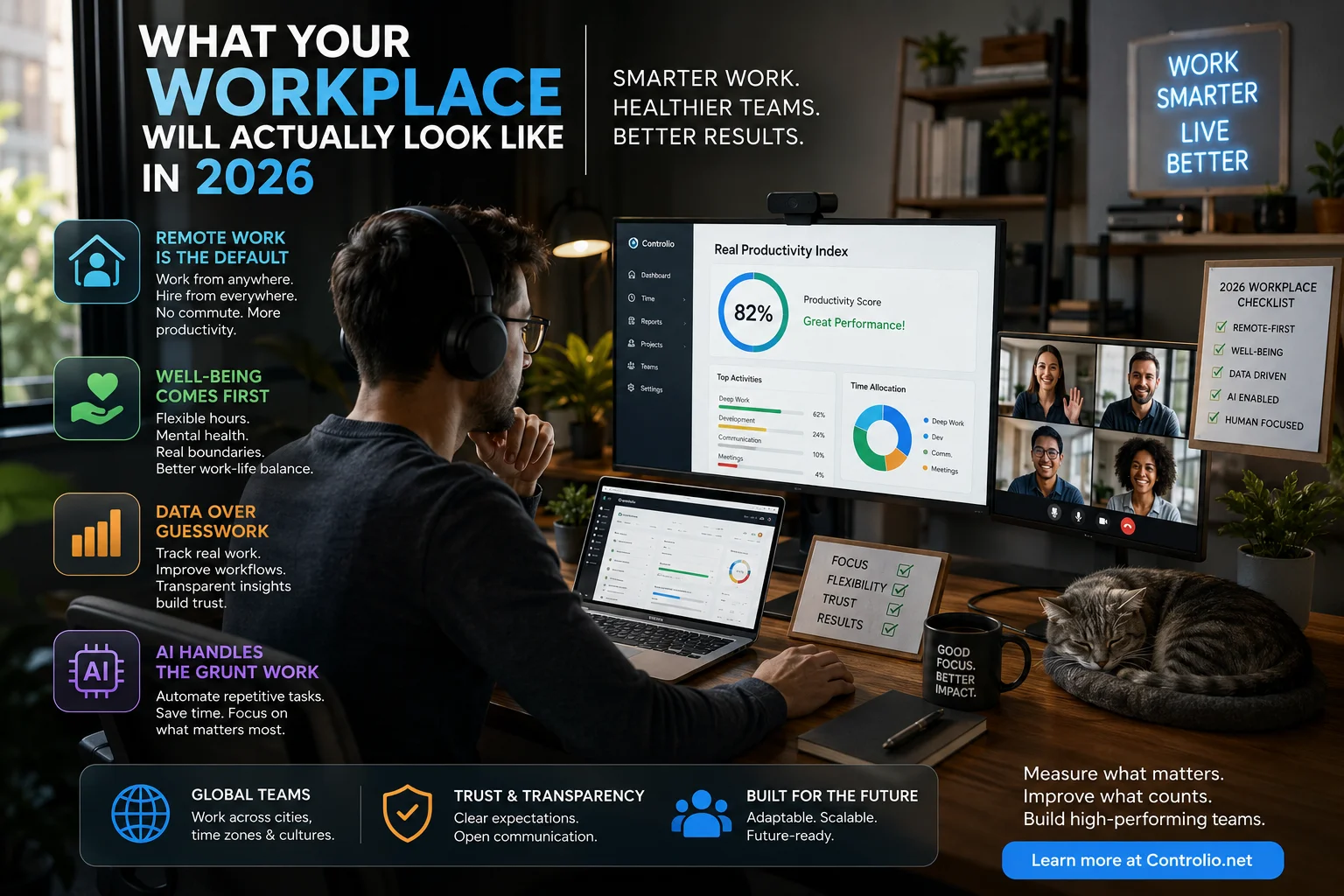

Hybrid work has changed how companies use office space. Some employees come in daily, some visit only for meetings, and others split their week between home and office. This makes fixed workplace systems less practical because occupancy, room usage, lighting needs, and energy demand keep changing.
That is why smart offices for hybrid work and energy efficiency are becoming more relevant for modern businesses. These spaces use connected sensors, automation, and real-time data to make offices more responsive. They help employees work comfortably while helping facility teams reduce unnecessary energy use. Let’s look at how they support flexible work and intelligent energy management.
4 Ways Smart Offices Support Hybrid Work
Hybrid workplaces need flexible systems that respond to changing employee schedules, room usage, and collaboration needs.
1. Better Space Utilization
Smart offices help facility teams understand how desks, meeting rooms, and common areas are actually used. Occupancy sensors can show which areas stay active, which remain empty, and which become crowded during peak office days.
This helps businesses plan flexible seating, collaboration zones, and shared workspaces with better accuracy. It also reduces guesswork in hybrid workplace planning.
2. Easier Desk and Room Booking
Hybrid employees need clarity before they arrive at the office. Smart workplace systems can help them check available desks, meeting rooms, or collaboration spaces in advance.
This creates a smoother workday and reduces confusion during busy hours. For teams, it also supports better coordination when people come together for meetings or project work.
3. Improved Comfort for Employees
Smart offices can adjust lighting, temperature, and ventilation based on real-time conditions. This matters because hybrid offices do not have the same occupancy every day.
Heating, Ventilation, and Air Conditioning (HVAC) systems can respond when a room gets crowded. Lighting can also adjust based on movement, time of day, or natural daylight levels.
4. Better Indoor Air Quality
Changing occupancy can affect indoor air quality. Higher footfall may increase carbon dioxide (CO₂) levels, humidity, and ventilation needs.
Air quality sensors can track these conditions and share data with building systems. This helps maintain cleaner, fresher, and more comfortable indoor environments for employees.
How Intelligent Systems Reduce Energy Waste
Energy efficiency improves when workplace systems respond to occupancy, schedules, and real-time building conditions.
1. Occupancy-based Lighting Control
Lighting is often wasted when rooms, cabins, or meeting spaces stay empty. Smart offices can use motion sensors and occupancy data to switch lights on or off automatically.
They can also adjust brightness based on available daylight. This helps reduce unnecessary electricity use without affecting workplace visibility or comfort.
2. Smarter HVAC Energy Management
HVAC systems can consume a large share of building energy. In traditional offices, they may continue cooling or heating areas that are barely used. Smart offices help HVAC systems respond to actual occupancy, temperature, humidity, and air quality levels. This supports better energy use across changing hybrid work schedules.
3. Real-time Energy Monitoring
Facility teams need visibility to manage energy well. Real-time energy monitoring helps them track how much power different floors, rooms, or systems consume. This data can reveal unusual usage patterns, equipment issues, or after-hours wastage. With better insights, teams can take corrective action faster.
4. Automated Scheduling for Lower Waste
Hybrid offices need flexible schedules. Some days may require full building operations, while others may need only selected zones to be active. Smart offices can align lighting, HVAC, and equipment schedules with actual usage. This helps businesses reduce waste during weekends, holidays, and low-occupancy workdays.
Build a Smarter, More Efficient Workplace
Smart offices can help businesses support hybrid teams while managing energy use with better control. With connected sensors, automated systems, real-time monitoring, and intelligent HVAC control, workplaces can become more responsive to daily needs.
The goal is to create an office that feels comfortable for employees and efficient for facility teams. Partnering with a reputable electrical brand can also help businesses choose reliable smart office technologies, improve system integration, and plan for long-term workplace efficiency
With the right approach, companies can build offices that adapt to people, schedules, and changing energy demands.